Date: 2025-05-29 16:52:55 | Story: Stephanie Maxwell Newton |
We get in the weeds about butterflies, native plants, and pollinator gardens with Shawn Hunter, founder of The Diana Project
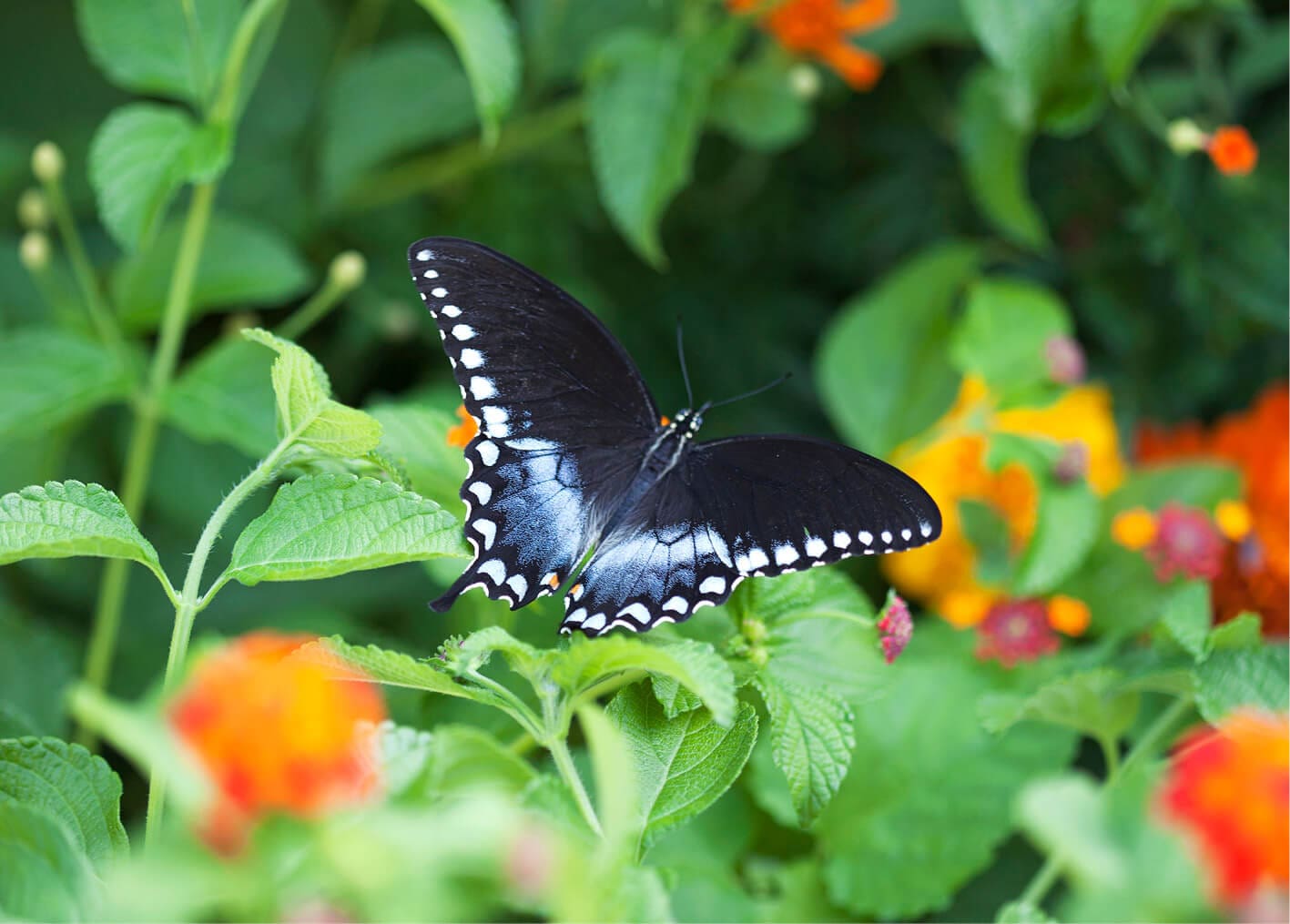
A spicebush swallowtail butterfly in a Northwest Arkansas garden. Photo by Rett Peek.
You may have heard of Arkansas’s official state flower (answer: the apple blossom) or bird (the mockingbird), but did you know The Natural State has a designated state butterfly? The Diana fritillary is a large, colorful specimen found primarily in the Ozarks and River Valley region, though it has been spotted across the state. In research for her book Arkansas Butterflies and Moths published in 2006, entomologist Lori Spencer found the population and range of the Diana fritillary was in decline. The next year, it was canonized as a state symbol by the Arkansas legislature.
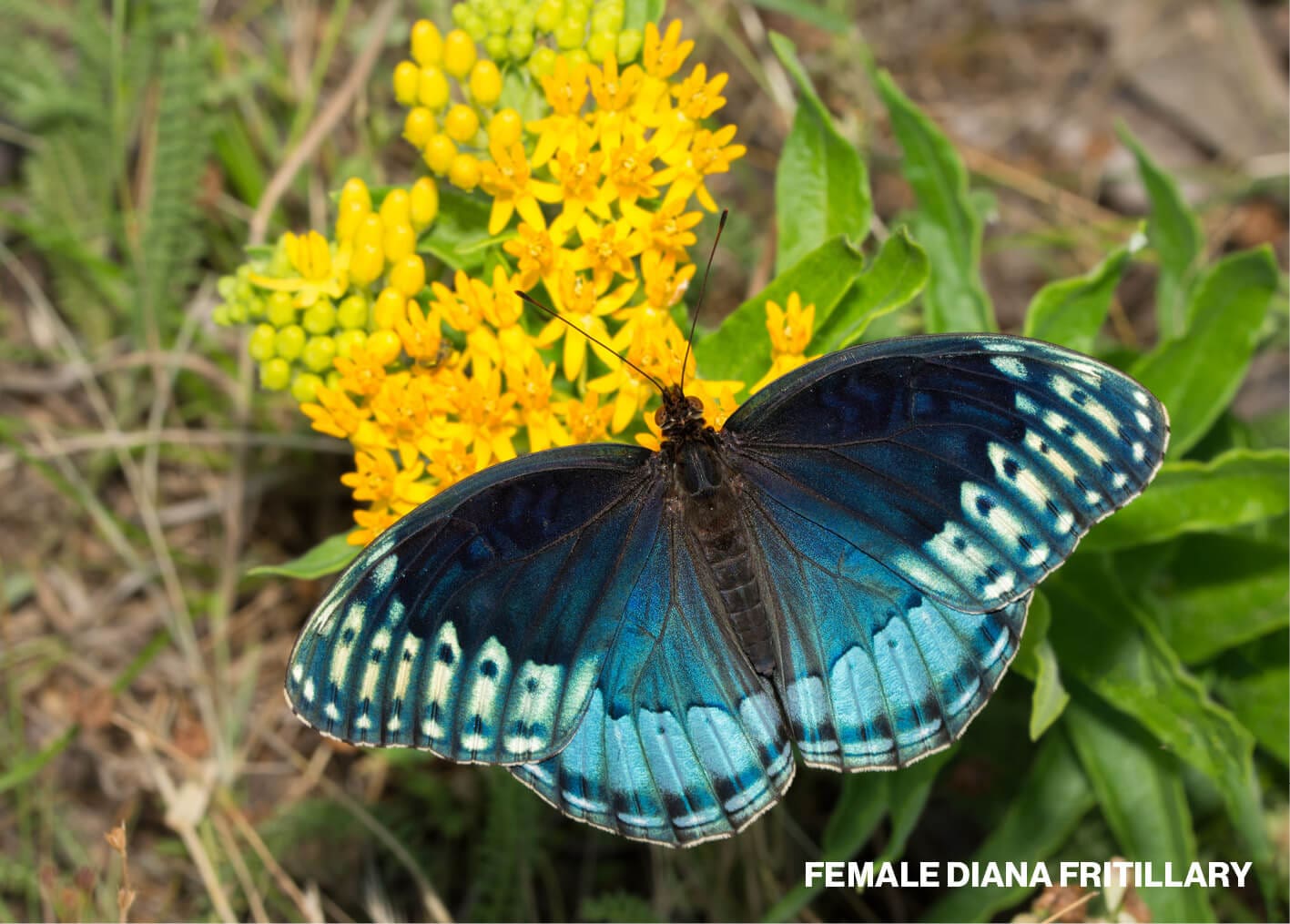
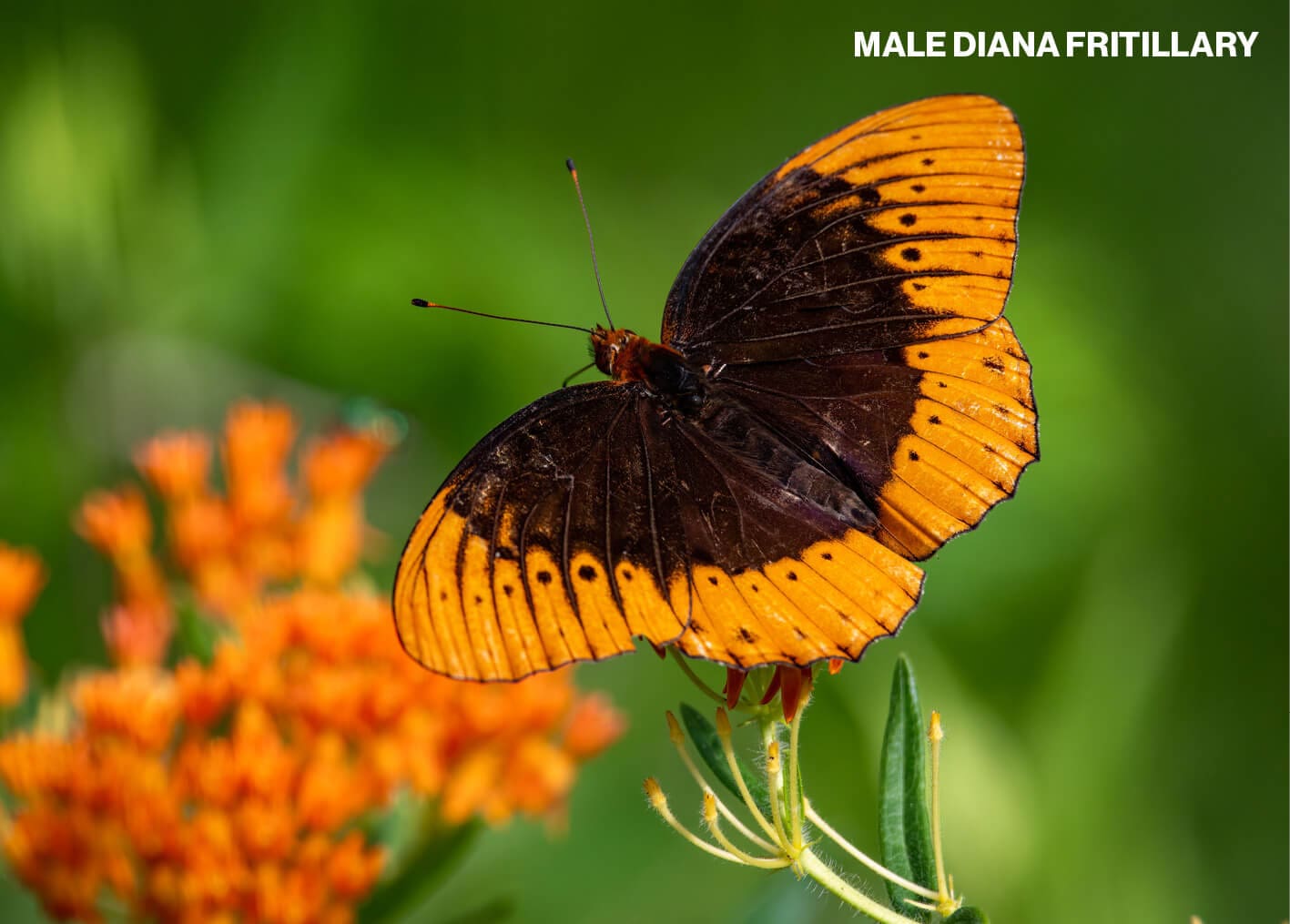
Photos courtesy of Shawn Hunter (left) and via iStock.com/Paul Lowery.
Shawn Hunter, a Master Naturalist based in Gentry, became so interested in the Diana fritillary that she founded The Diana Project, an initiative to raise awareness about these winged beauties. “It’s really all about creating pollinator awareness,” she says. After all, healthy pollinator populations improve the ecosystem at large. “The simplest thing is that they’re at the bottom of the food chain. They’re bird food. They pollinate our crops. They’re a critical part of our ecosystem. The more pollinators we lose, the less healthy our ecosystem becomes. If we reach a tipping point, what happens? Do we start losing birds? Do we start losing food? The conversation I have with people is that at this point, it’s free to fix this problem,” Shawn says.
With June being National Pollinator Month, Shawn shares a few ways to help pollinators—the Diana fritillary as well as other butterflies, bees, and moths.
8 WAYS TO BEE A BETTER FRIENDTO POLLINATORS
1. Leave the leaves. At the first sign of autumn, most of us head out into our yards, rakes in hand, to dispose of fallen leaves. But many pollinators overwinter in leaves, meaning that when you bag leaf litter and set it on your curb, you’re tossing out chrysalises, caterpillars, and even adult butterflies, too. If an unraked yard feels like an eyesore, find a compromise: “It’s OK to scoot the pile of leaves to a corner of your yard or relocate them. There’s a lot that goes on in the leaves during the winter,” Shawn says.
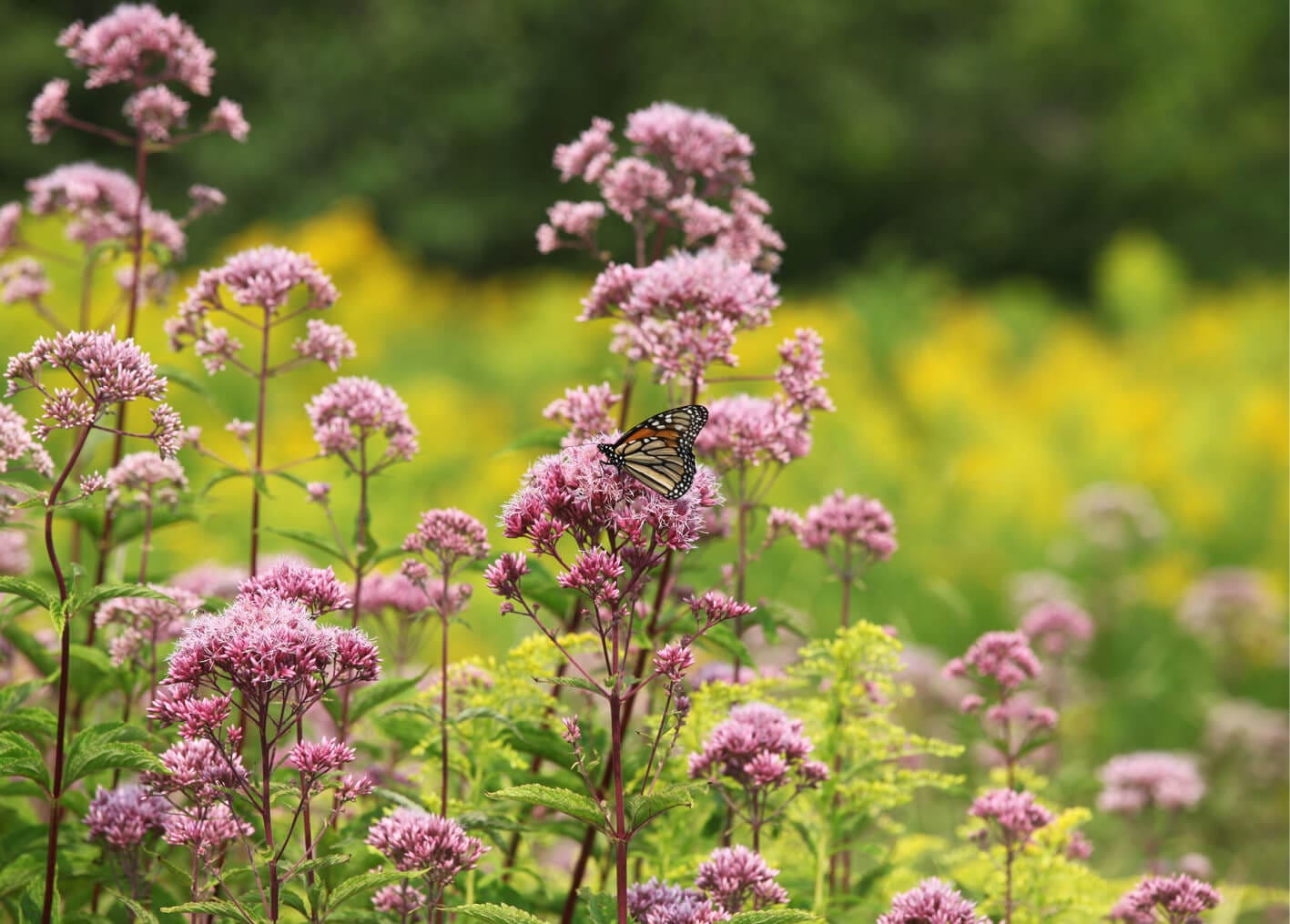
Pink milkweed and golden rod. Photo via iStock.com/Jill_InsiredByDesign
2. Use chemicals responsibly. While some pollinator organizations recommend eliminating the use of all pesticides, Shawn admits a more attainable approach is often to encourage proper usage. “Follow the labels and don’t use them around nectar plants or leaves,” she says.
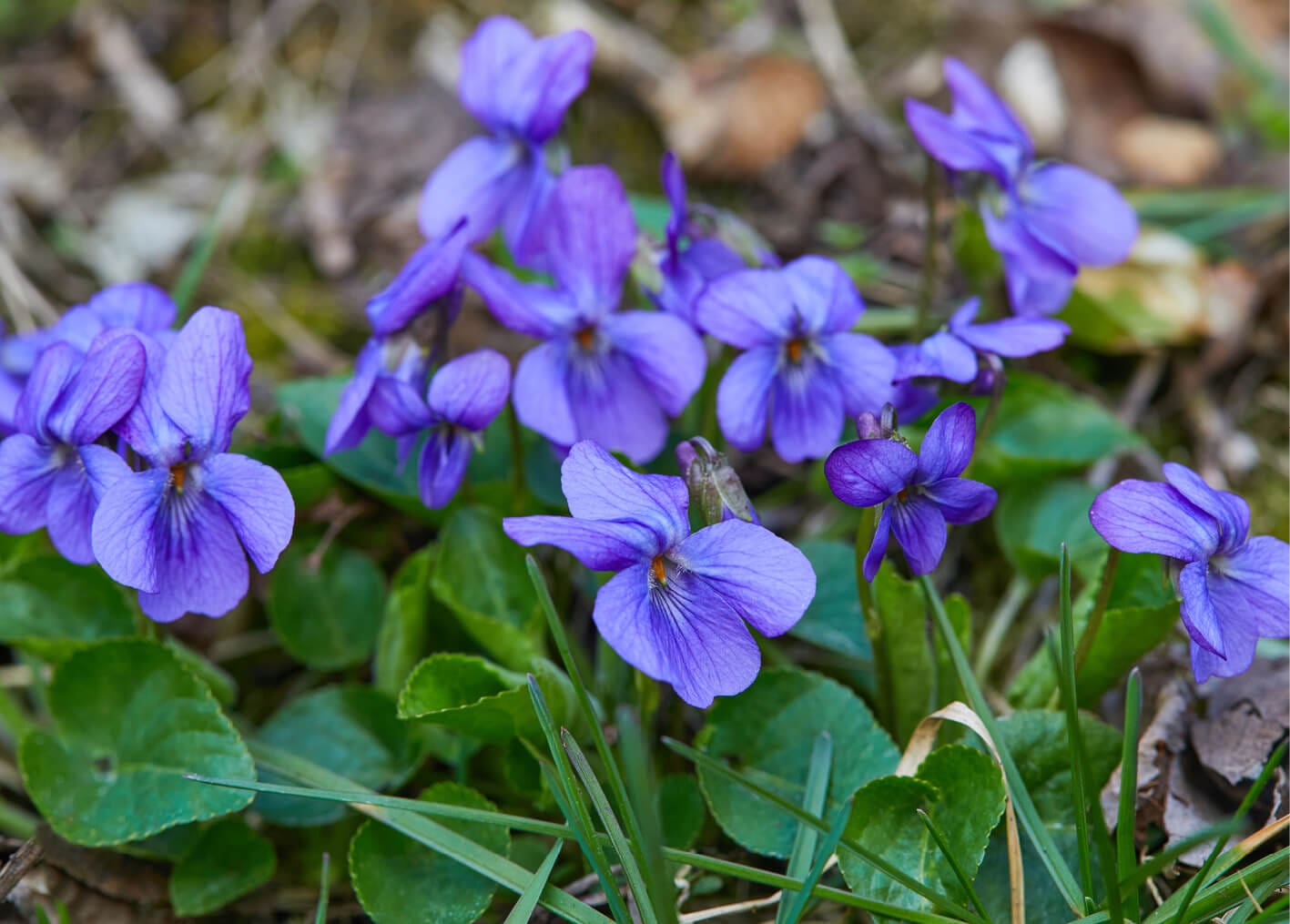
Common blue violet. Photo courtesy of Shawn Hunter.
3. Embrace violets. Most fritillaries (a name that comes from the Latin fritillus, which means checkerboard) have evolved to require violets as a larval host plant. Unfortunately for pollinators, this plant has developed a reputation as a weed. However, Shawn notes they make an excellent ground cover or green mulch in a garden. “It’s prolific but not aggressive,” she says. “It will fill in around other plants without taking over, and it keeps soil moist and cool, unlike bark or rubber mulch.”
4. Plant native plants. The lack of native plants is one of the biggest threats to the Diana and all pollinators. “With thousands of acres of new housing developments, we’re losing some of their habitat,” Shawn says. She recommends swapping out non-native plants in your own yard for native varieties. Purple coneflower, black-eyed Susans, milkweed, phlox, and oakleaf hydrangeas are all popular plants native to Arkansas. As with leaving your leaves in place, the effort doesn’t have to take up your whole yard; even a group of container plantings is helpful. (Refer to thedianaproject.org for a list of plants specific to the Diana fritillary.)
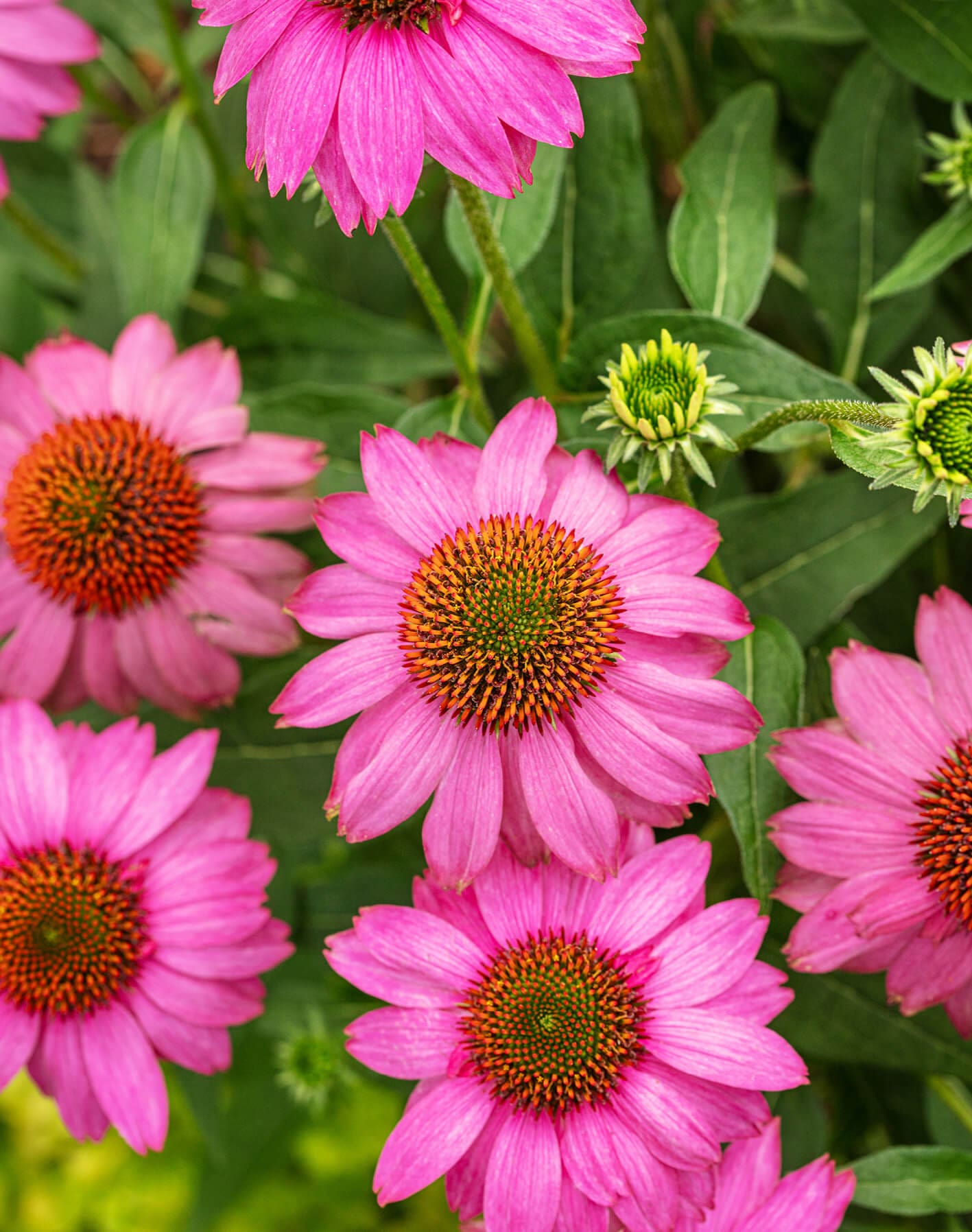
Purple Coneflower. Photo by Rett Peek.
5. Buy local. Not all native plants are created equal. Plants for sale at big-box stores might be marketed as attractive to pollinators but treated with chemicals that will do more harm than good. Look for seed and plant sales at your local farmers markets, urban farms, and nurseries. “The best thing about planting native plants is it’s often the cheapest, easiest thing you can do. Look for seed swaps and get in the loop of native plant people who will often offer seeds,” Shawn says.
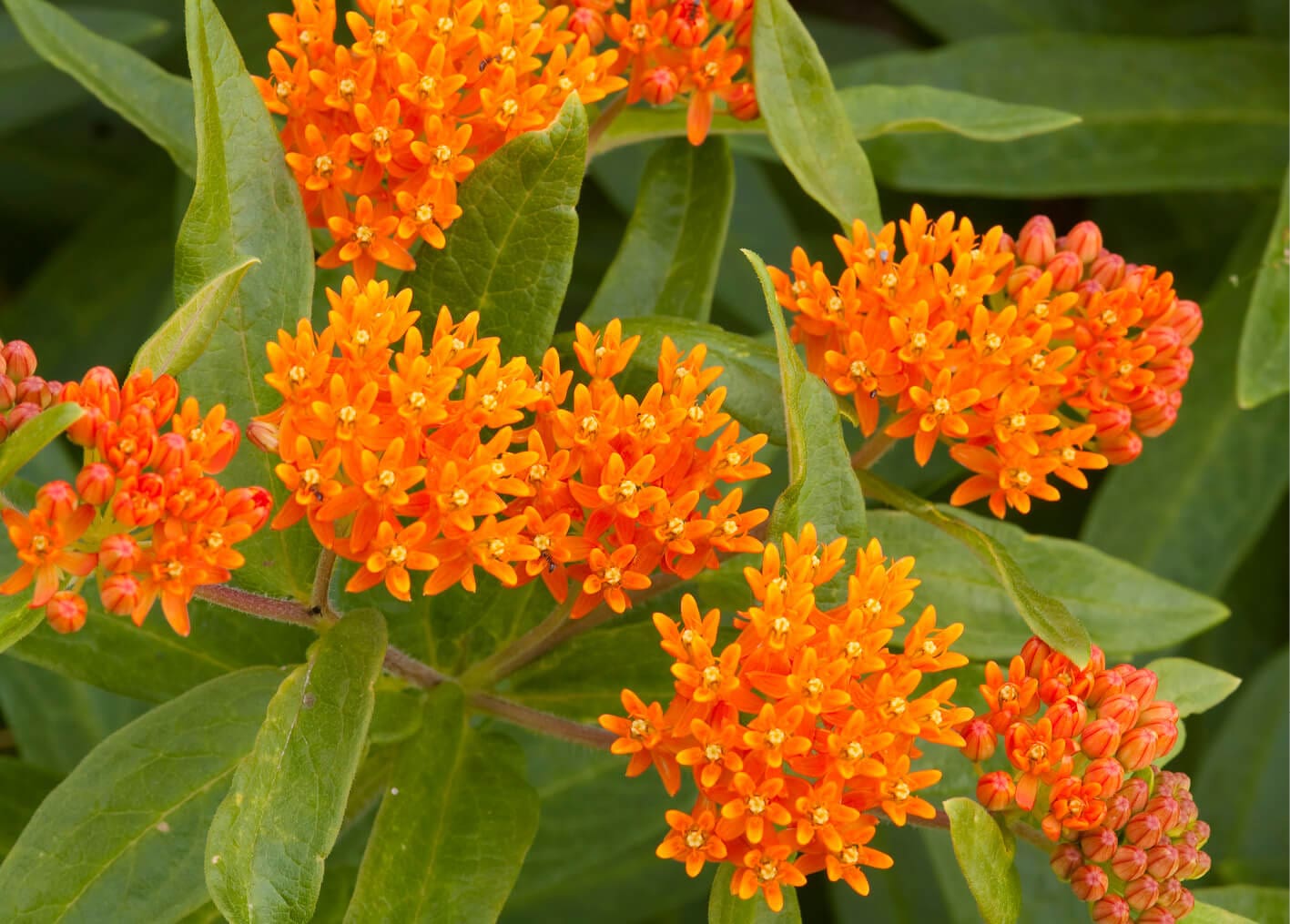
Butterfly weed. Photo via iStock.com/John_Brueske.
6. Change your mindset. Worried about the HOA’s opinion of your natural approach to yard maintenance? A shift toward pollinator-friendly thinking doesn’t have to be huge. “It doesn’t have to take over your whole yard,” Shawn says. “Designate an area and put a fence around it. Add a sign that says ‘Bee and Butterfly Friendly.’ Make it look intentional.”
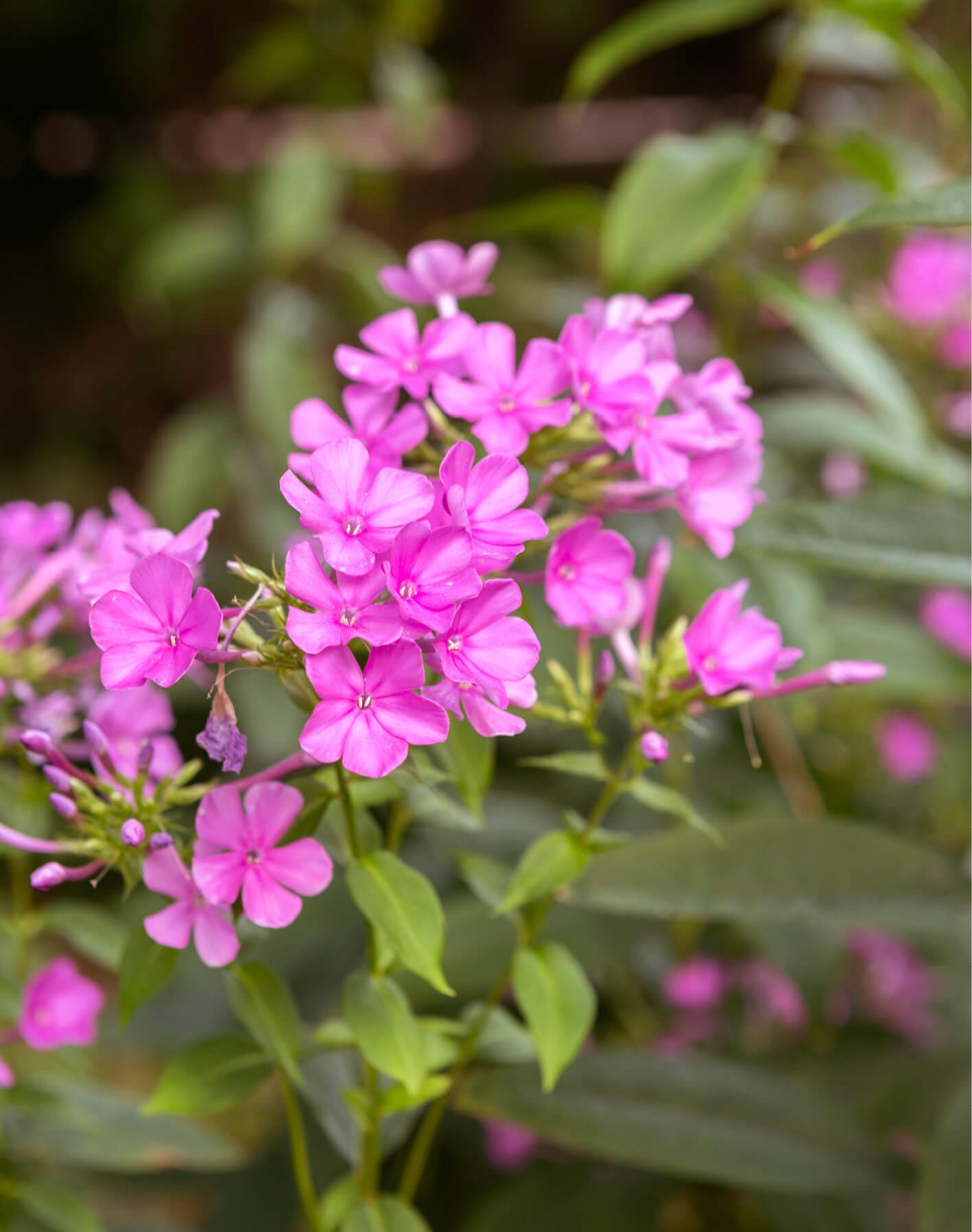
Phlox. Photo by Rett Peek.
7. Use land wisely. Another way people can get involved is through private land management. If you own rural land, consider maximizing its potential for pollinators and other wildlife. Shawn recommends checking resources on the Arkansas Game & Fish Commission’s Private Land Management site. Biologists are available to help with controlled burns, which can uncover historic seed banks that make the land more hospitable to pollinators.
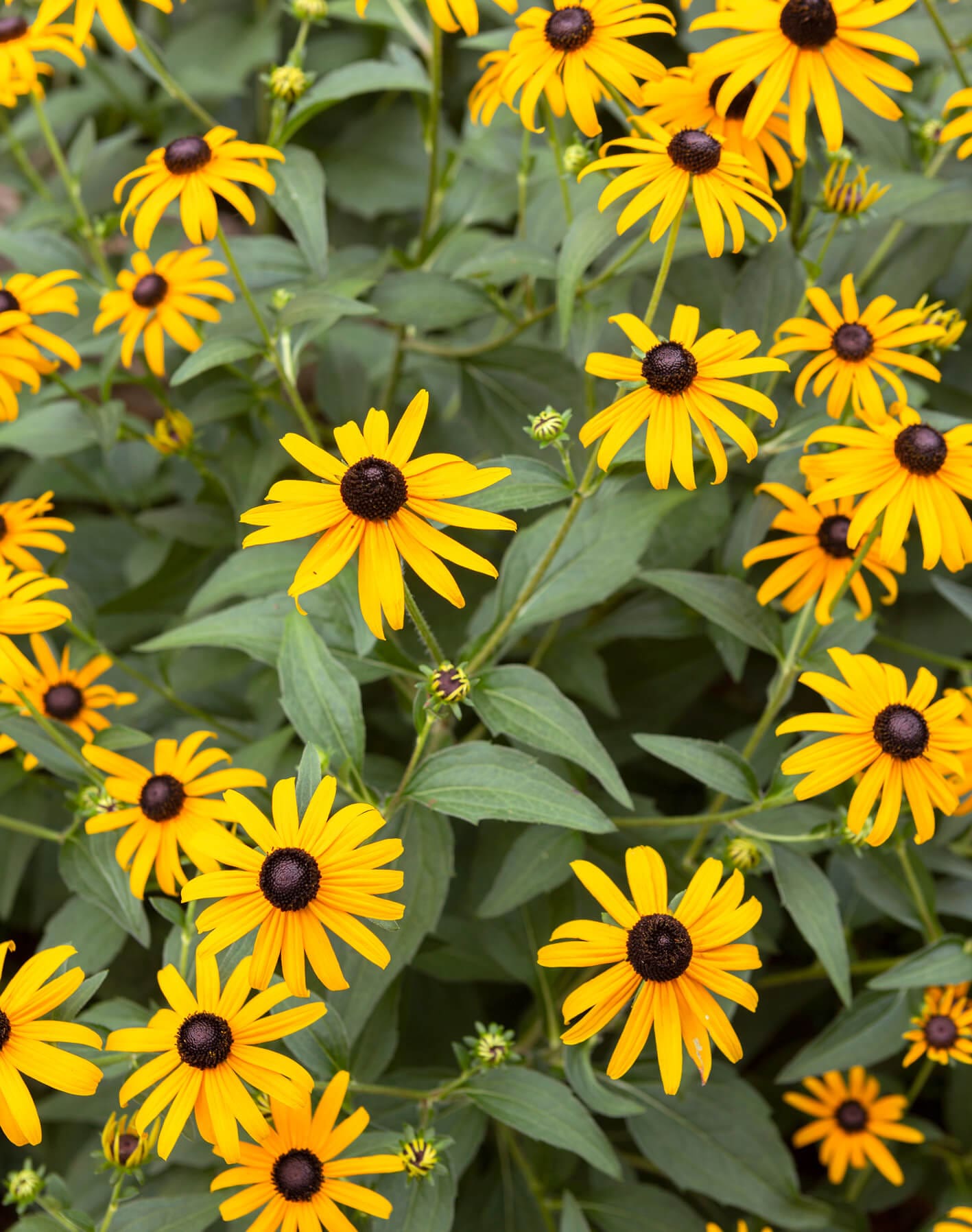
Black-eyed Susans. Photo by Rett Peek.
8. Become a citizen scientist. Download iNaturalist and upload photos of flora and fauna around you. This app crowdsources data, allowing all users to help identify and track their observations. “Citizen scientists are so important to this effort,” Shawn says. “I think we went up 300% in observers in the past two years, so people are really looking for the butterfly.”
BY THE NUMBERS
More resources and ways to get involved
4
Number of pollinator gardens maintained by The Diana Project. They include Old High Middle School in Bentonville, the AGFC J.B. and Johnelle Hunt Family Ozark Highlands Nature Center in Springdale, Logan Springs Preserve in Siloam Springs, and the green roof at Fayetteville Public Library. Visit thedianaproject.org to learn more.
818
Number of Master Naturalists in Arkansas in 2024. Become a Master Naturalist with one of Arkansas’s six chapters or find opportunities to volunteer at arkansasmasternaturalists.org.
147
Approximate number of butterfly species identified in Arkansas. There have been 566 Diana fritillary sightings logged on iNaturalist since January 2023. Visit inaturalist.org to download the app and become a citizen scientist.
1977
The year Wild Ones was founded. Wild Ones is a national organization that promotes native plants and resources for natural landscapes. The Wild Ones Ozark Chapter
(ozark.wildones.org) is based in Northwest Arkansas and hosts garden tours, plant sales, and learning opportunities.
