Date: 2026-10-01 08:09:20 | Story: Stephanie Maxwell Newton | Photography: Mandy Jayne |
One of the region’s busiest mayors weighs in on what makes this part of the state such a hidden gem
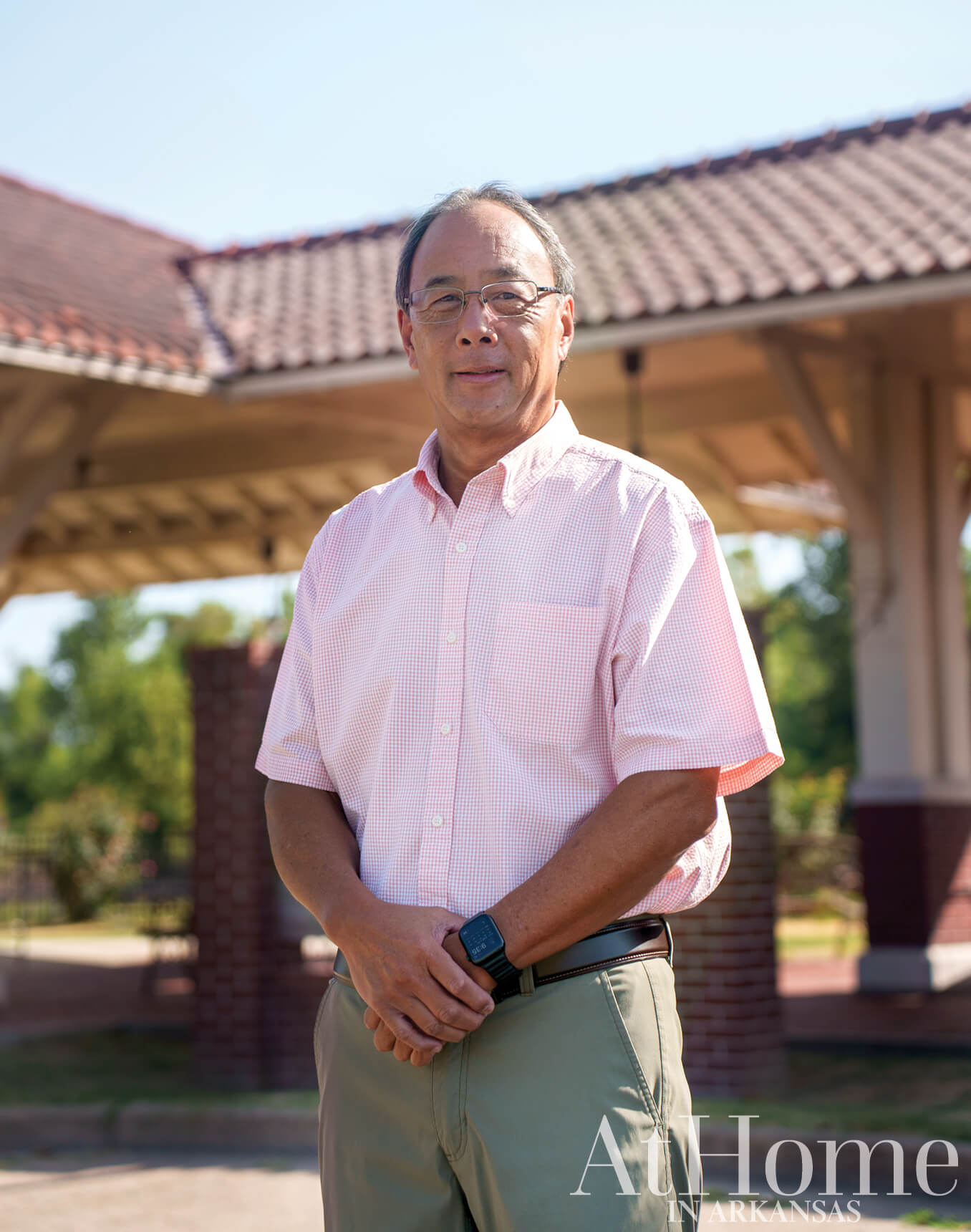
Jeff Owyoung is one of those people who doesn’t like to sit still. On top of a 40-year career in insurance, the Chicot County native has taken on civic leadership and community involvement in almost every facet of life in McGehee. He serves on the board of directors for the McGehee Industrial Foundation, is chairman of the WWII Japanese American Internment Camp Museum, helped start the town’s Owlfest, and is currently president of the McGehee School District board. He’s also the town’s mayor. “Someone encouraged me to run about two weeks prior to the deadline to apply, and I said, I’m not a politician, I’m a friend,” Jeff says. However, he couldn’t resist the call to service, and he won the seat handily. Now, after 12 years, he wraps up his third and final term at the end of the year. “I just love this town. I do a lot to help McGehee be the best, look good, and have opportunities other small towns don’t have,” he says. Here, we spoke to Jeff about some of his proudest accomplishments in various roles and what the Lower Delta has to offer locals and visitors alike.
 Q: Across the state, one of the things you’re probably best known for is your involvement with the WWII Japanese American Internment Museum. What’s the history of this museum in McGehee?
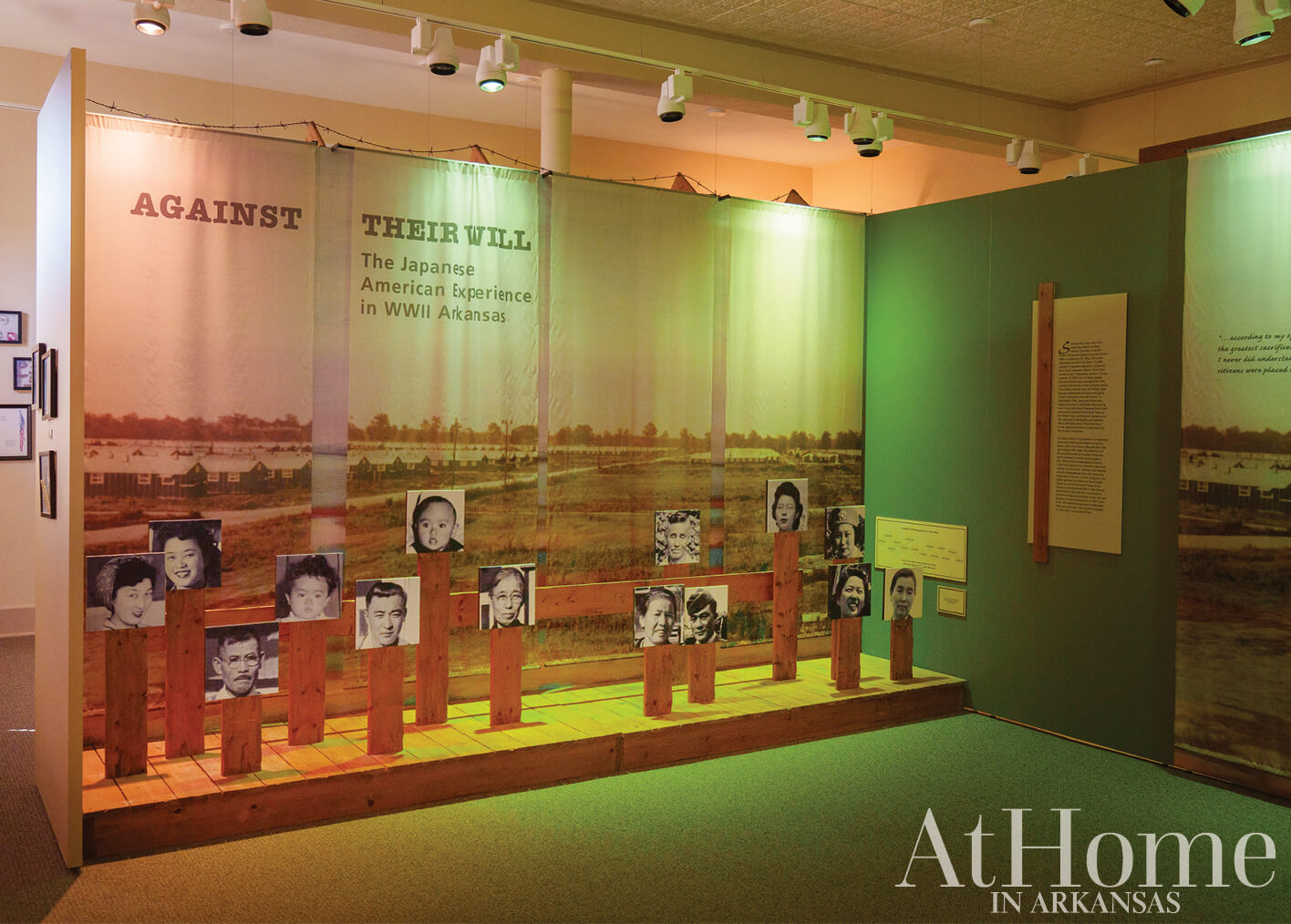
A: The museum is a huge tourism spot for us, and I’ve been involved for 15 or 16 years. It grew out of an exhibit that was shown in Little Rock called “Against Their Will.” After it was over, they showed it at The Delta Cultural Center in Helena, but then they couldn’t figure out a permanent home. It tells the story of the two internment camps in Arkansas, one in Rohwer and one in Jerome, for Japanese-Americans during World War II. There were a total of 16,000 internees between the two camps at one point. Eventually, with the help of Arkansas State University, we got a grant from the National Park Service to remodel our vacant depot, and this became the museum’s home. Thirteen years ago, we opened the doors.
“Against Their Will” is the cornerstone exhibit, and the very first year, that was the only thing in the museum. Now, it is full of artifacts—clothing, artwork, and photos—people have given us from family members who were actually there. Being chairman of the museum is probably one of my brightest achievements. I meet all sorts of people from all over, and they admire McGehee for showing this important part of history in the United States.
Q: What else makes this part of the state special?
A: We’re an agricultural area, and a lot of people from all over the state like to come here either to hunt or fish. We have the Delta Heritage Trail, a cycling trail that runs 80 miles from West Helena all the way down to Arkansas City, that has the support of the Walton Family Foundation. There’s so much in the area we want to let people know about, like Lake Chicot, which is the biggest oxbow lake in North America.
In McGehee, I’m very proud of our parks and recreation department. We’re the only town from Eudroa to Pine Bluff that has a summer baseball program. That means we get kids from Lake Village, Dermott, and Dumas that come play in our league. We try to make our park one of the best in Southeast Arkansas. It’s all part of giving the youth good memories so they might want to come back to McGehee.
Q: Is there anything you can point to as the key to success for a small rural town?
A: I always stress that for a lot of small towns, you need to have a great school district and a great hospital. In the past few years, we have won several grants for things we needed at our hospital. We built an additional wing and a brand-new emergency room department that cost over $10 million; that was a lot of meetings and paperwork, but now we have a state-of-the-art hospital.
On the school side, we have to pass millages to do certain things. We recently moved the sixth graders from our elementary school to our middle school, which required adding a large wing to now accommodate three grades. We also built a brand-new STEM building and an all-female athletic facility for dance, cheer, and softball.
Q: If you were going to give one recommendation for something to do while visiting the Lower Delta—besides visiting the WWII Japanese American Internment Museum, of course—what would that be?
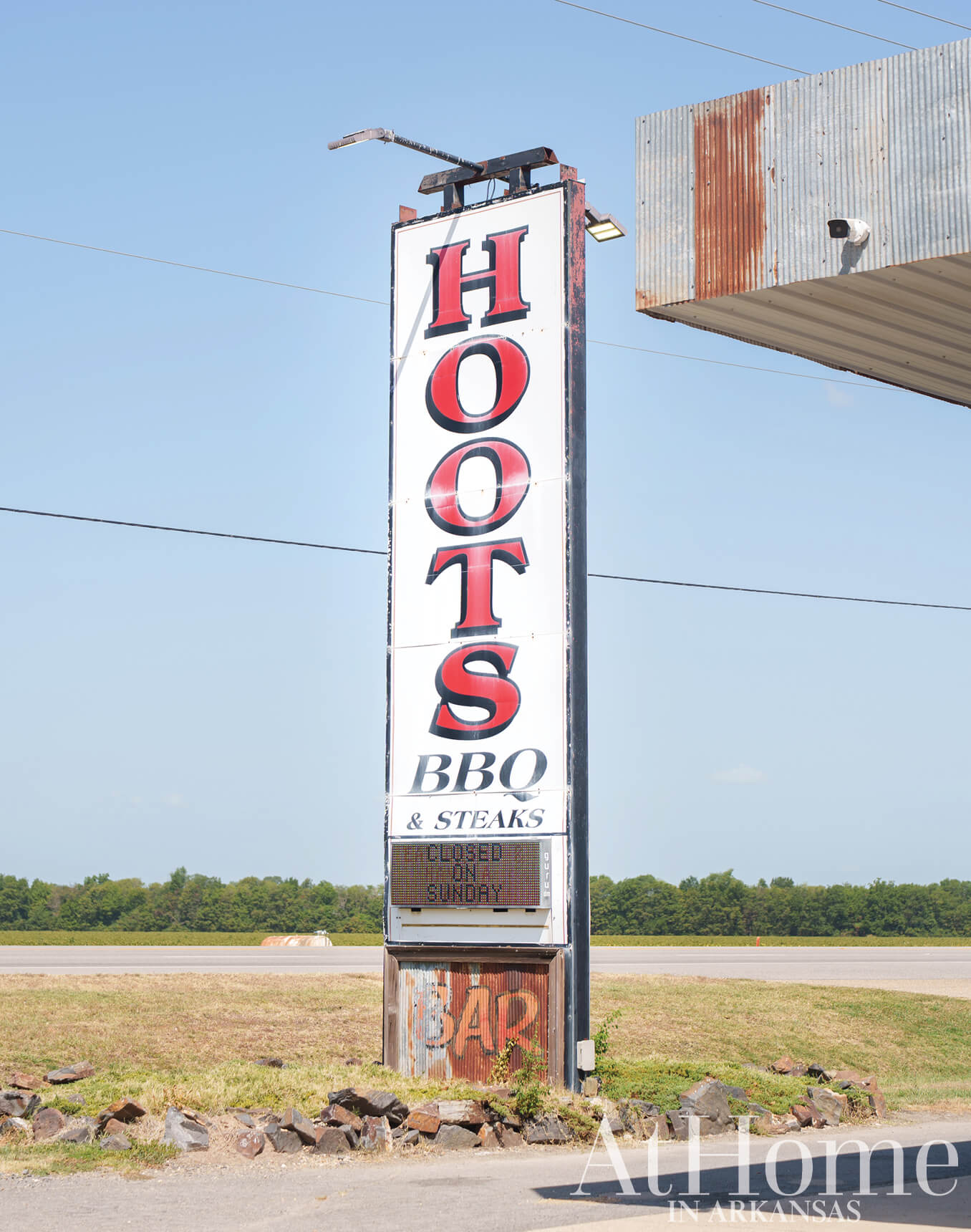
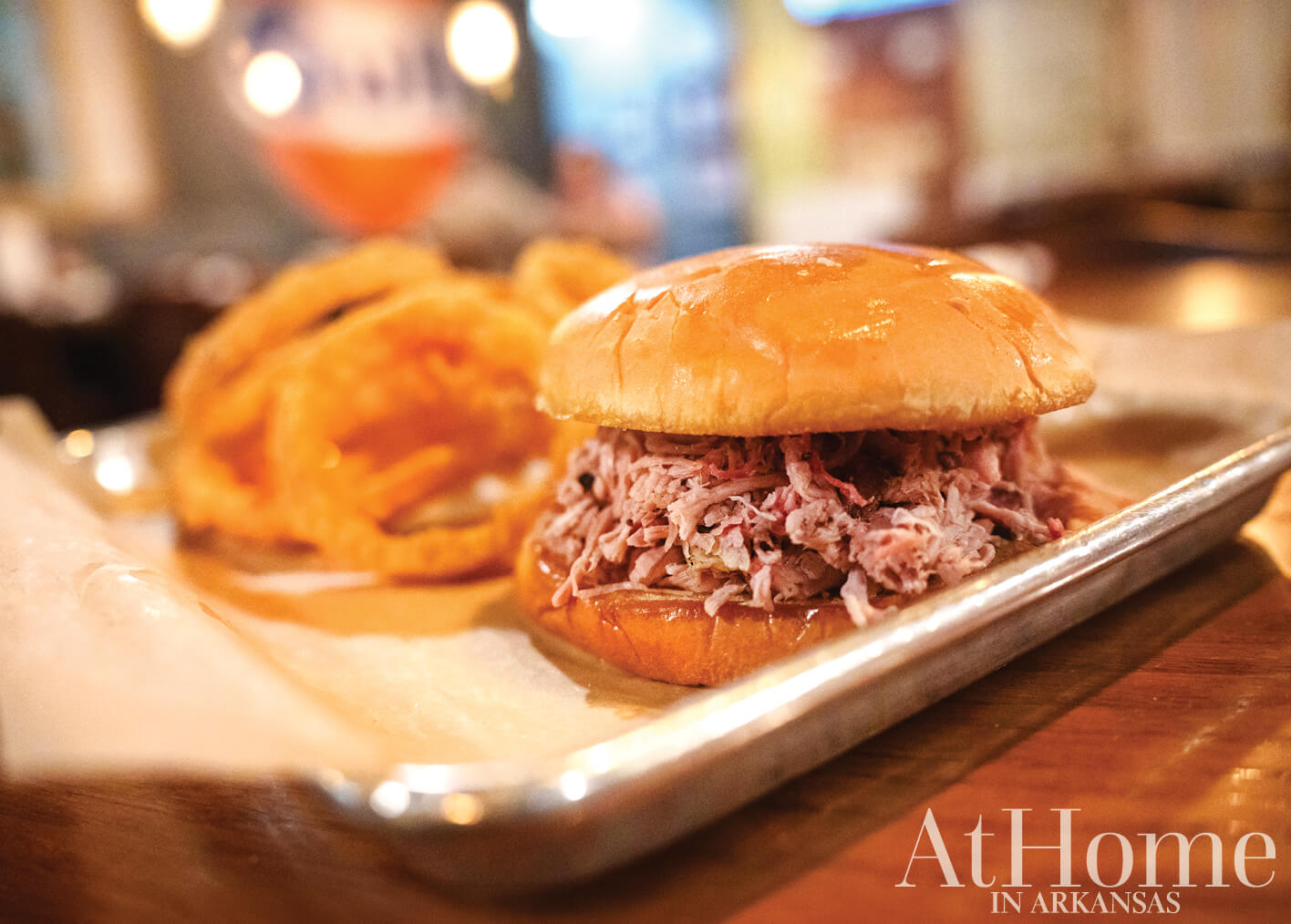
A: Eat at Hoots BBQ. It’s a great barbecue place. In small towns, when you go into a restaurant, you’re supposed to know everyone—but when you go into Hoots, you see so many people you don’t know, because it’s right on Highway 65 and you get so many people driving by who want to stop. It’s great for McGehee, and it’s great for people coming through.
Read on for more of our favorite ways to discover the Lower Delta.
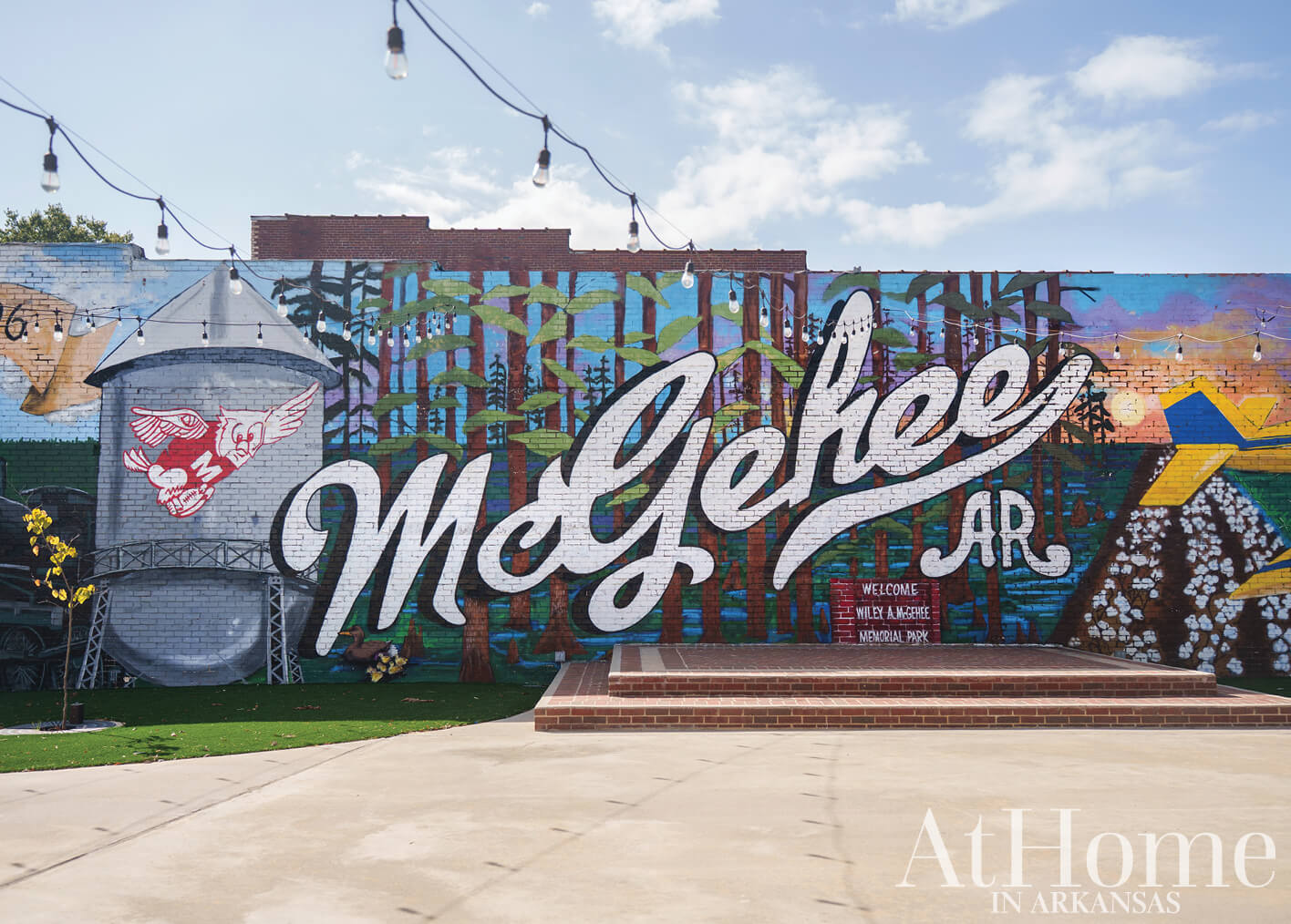
McGehee’s Pocket Park
Lakeport Plantation in Lake Village
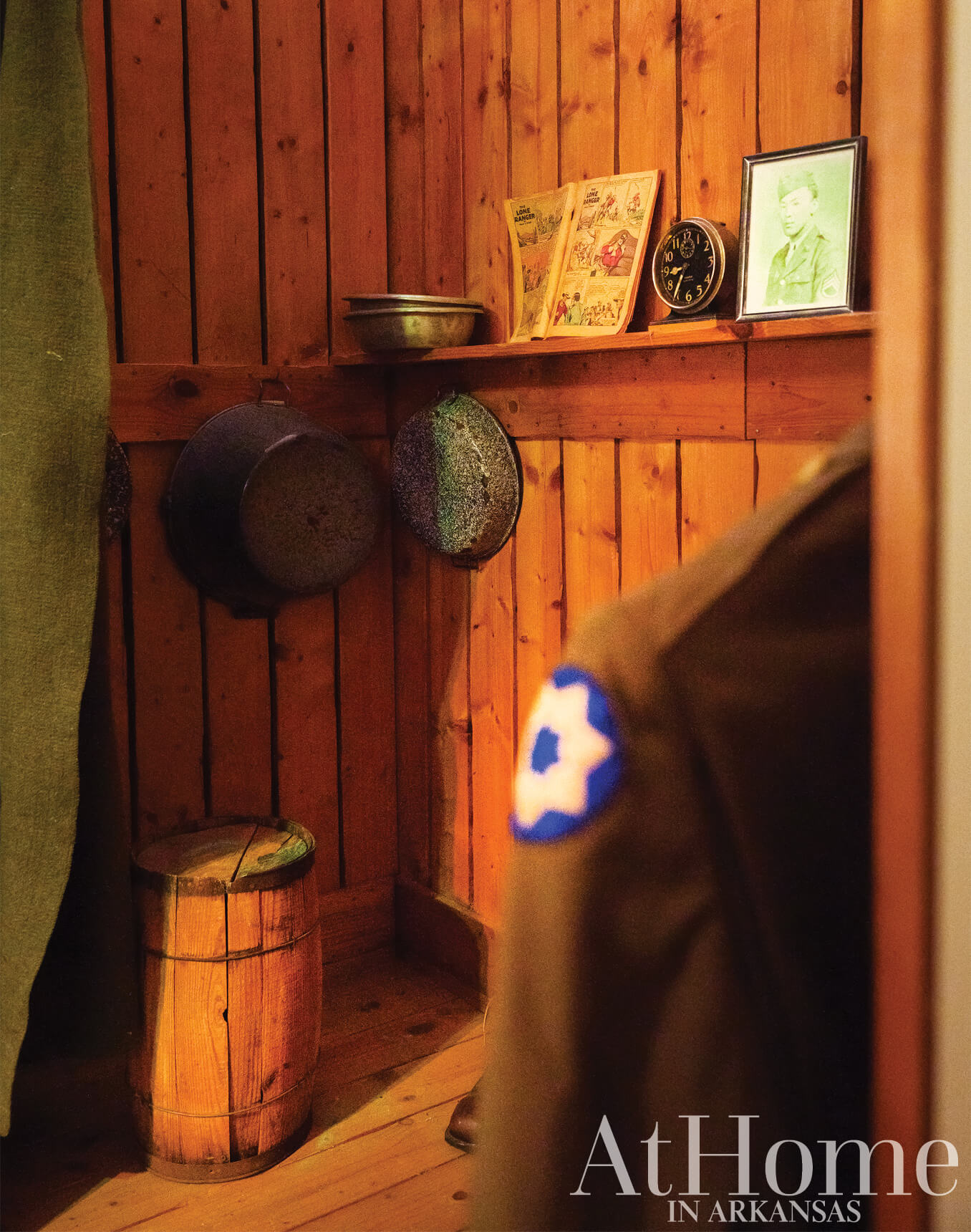
WWII Japanese American Internment Museum
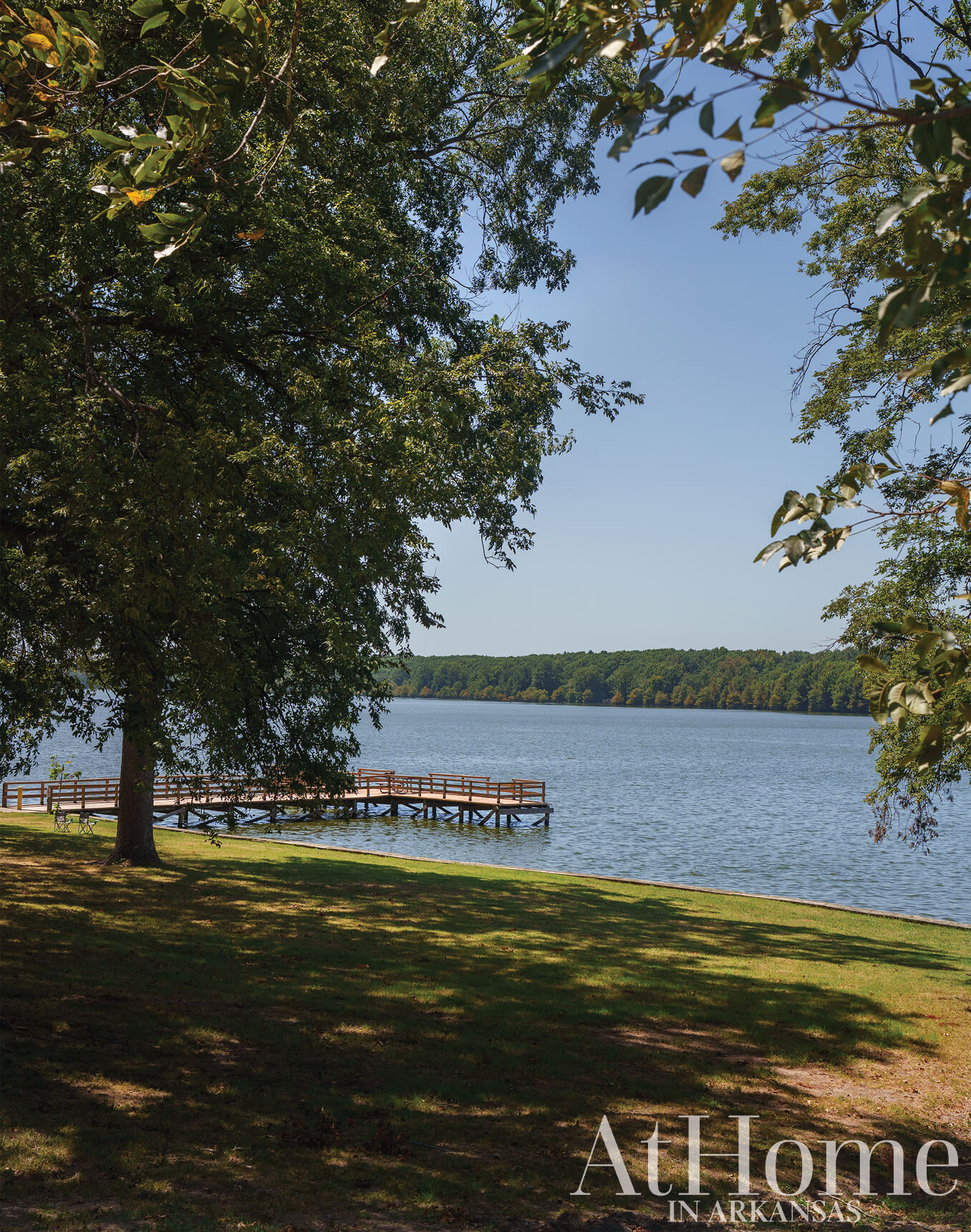
Lake Chicot
SHOP
Owned by a group of sisters, Stuttgart’s Sugartown Mercantile (sugartownmercantile.com) carries home goods, kitchenwares, seasonal décor, and curated vintage finds, making it an ideal place to pick up a gift (or something for yourself!). In West Helena, shop Eclectic Designs by Mel (662.302.1222) for a little bit of everything—from women’s clothing and accessories to home décor, hostess gifts, and even a bridal registry.
DINE
Reserve a table at Red Oak Steakhouse inside Pine Bluff’s Saracen Casino Resort (saracenresort.com) for an unparalleled fine dining experience. While steak is the star of the menu, don’t miss out on a mouthwatering selection of seafood, wine, and craft cocktails, too. For a quick and casual lunch, stop by The Magnolia Food Market & Bar (goforwardpinebluff.org/the-magnolia) in downtown Pine Bluff for eats such as fried catfish, chicken and waffles, or tacos; with multiple stalls under one roof, there’s something for everyone. A recent addition to downtown Stuttgart, Wren Coffee Co. (870.672.3445) is the perfect spot to grab a latte (try the Delta Dream), indulge in baked treats, or meet up with friends for lunch with a side of mahjong.
VISIT
With several trail systems in place, cycling is a growing attraction in the Delta, and events like Arkansas Graveler: Delta Blues Edition (arkansasgraveler.com) continue to solidify the area’s reputation. While the event spans October 6-10, participants can opt into the “Half-Grav” beginning October 8 in Helena (to coincide with the King Biscuit Blues Festival, another Delta must). From there, the route rolls on to Stuttgart and Arkansas City. In Pine Bluff, visit The ARTSpace on Main (artx3.org) for the Pine Bluff Art League Annual Exhibition, a juried exhibit featuring works by local artists that runs through November 20.
STAY
Saracen Casino Resort (saracenresort.com) in Pine Bluff celebrated an expansion over the summer with the official opening of its long-awaited hotel. Book one of its 320 luxury rooms or suites and enjoy comfort as well as convenience to all the amenities that are a part of the Saracen footprint, from slot machines and gaming tables to the state’s only poker room, on-site shopping, concerts, and delicious dining options.