Date: 2025-11-03 09:38:24 | Story: Stephanie Maxwell Newton | Photography: William J. Hilliard |
A historian’s perspective on the Arkansas Ozarks, the diverse geographic region that makes up much of the northern third of the state
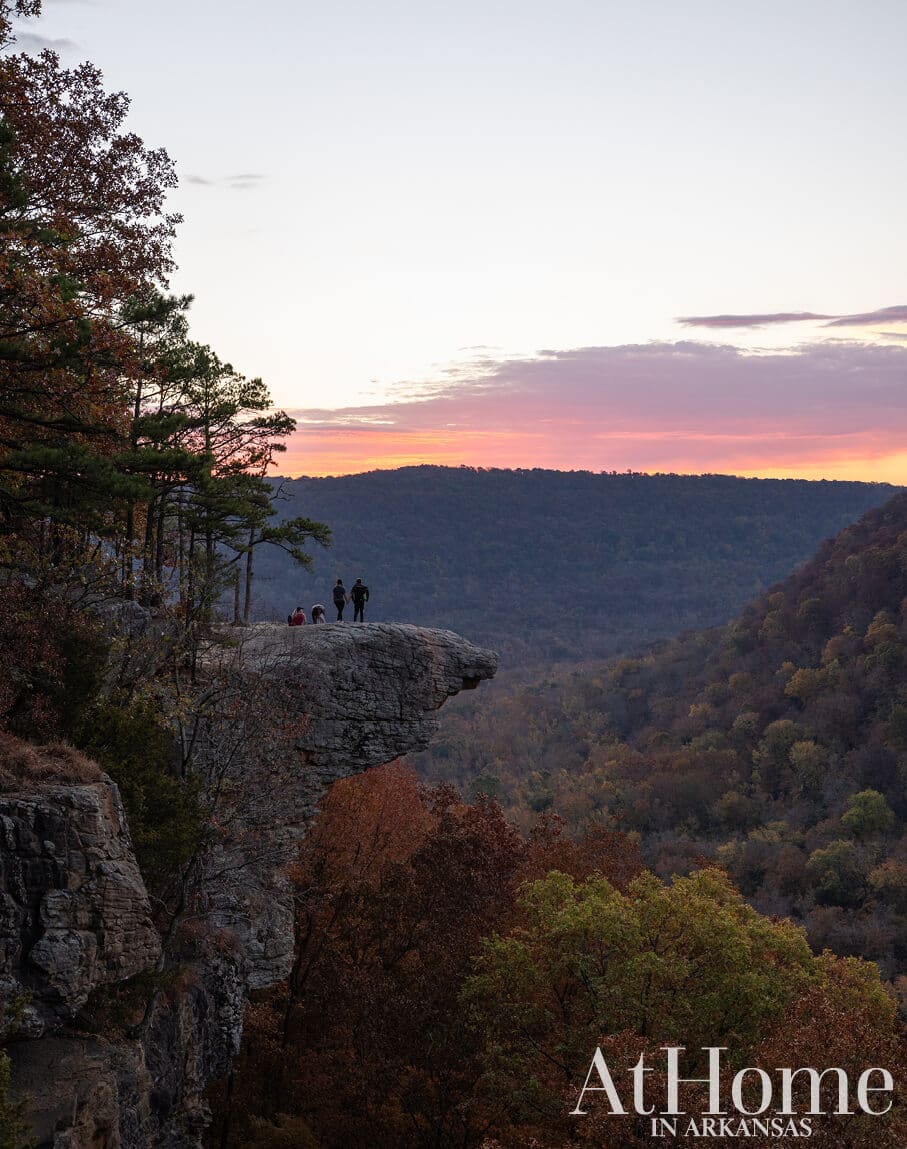
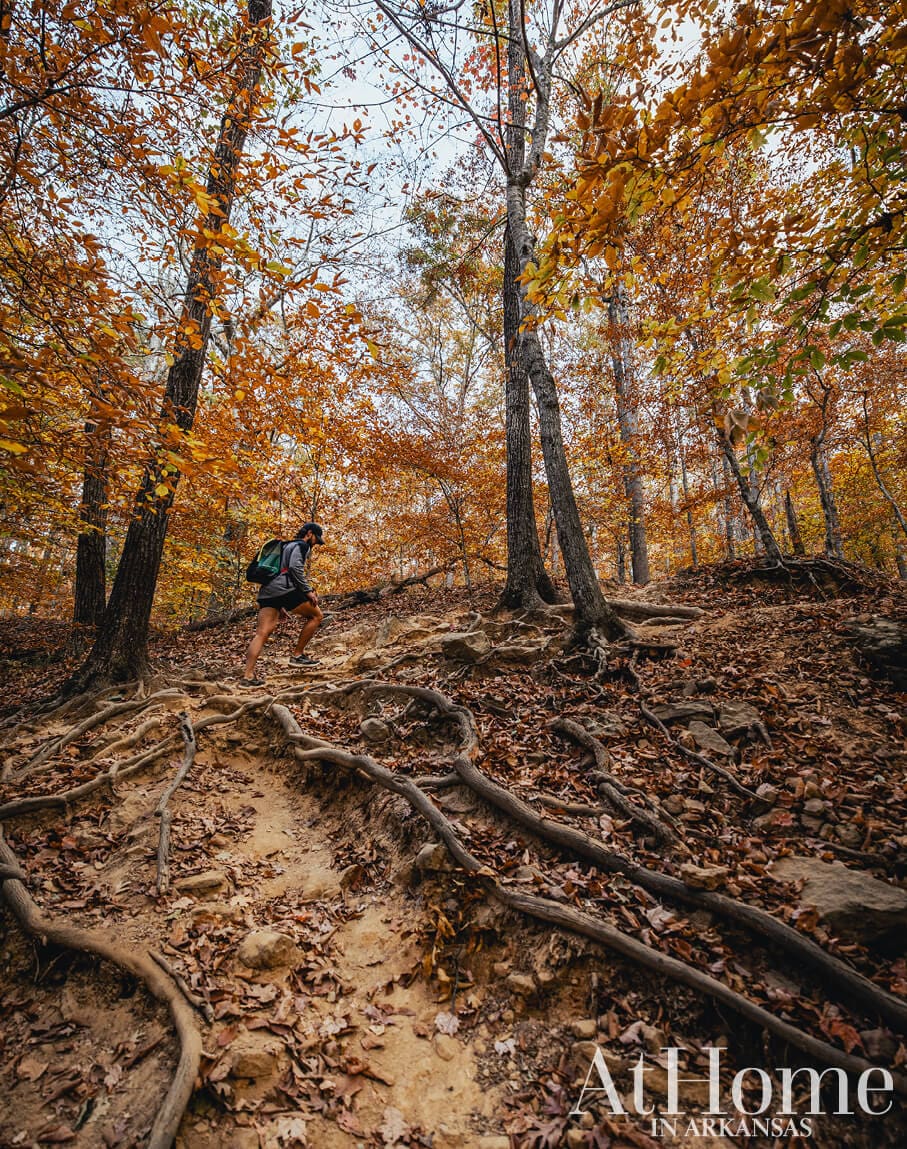
The view from Hawksbill Crag in Newton County
A little corner of Izard County is the place Dr. Brooks Blevins calls home. While people from all over flock to the Ozarks to hike its trails, fish its streams, and experience breathtaking scenery, Brooks grew up surrounded by nature. “When you grow up on a farm in the rural Ozarks, you go outdoors and you’re right there in it,” he says. As a professor of history at Missouri State University, author of six books about the region, and host of the podcast The Old Ozarks, Brooks is a wealth of information about the area and its people. Here, he helps define the region while discussing what visitors can learn from it today.
Q: Tell us about your background and how that eventually led to your study of the Ozarks.
A: I grew up in Izard County in a little unincorporated community called Violet Hill where several generations of my family had lived. I now live in my grandparents’ old farmhouse that they built in 1950. It’s a very rural area. When I was a kid there were no stoplights. We now have one in Izard County, and we really don’t need it. It gives us kind of a city sheen. Growing up on the same farm with my grandparents—and their siblings, because I had great uncles and aunts in the neighborhood—there were a lot of people whose memories went back to the early 20th century, and I was always interested in their stories. I have also always been interested in writing. I think a lot of writers are basically exploring themselves as they write. For me, it’s a really straight line of studying my family, my history, and why we are the way we are.
Q: People seem to have different definitions of which counties or towns are part of the Ozarks. How do you define the region?
A: It actually has a lot to do with natural history, rocks, and soil. The Ozarks in general is what geographers call an uplift, or a plateau, that has been severely eroded over the years. Physically, it’s a very diverse region, and you can divide it into lots and lots of subregions. Sometimes it looks like mountains or hills, sometimes it’s pretty flat—but it’s all part of that old plateau. As historians, we study people—we’re not studying dirt and rocks and stuff like that—so we could come up with different definitions, and none are going to be the same. One of the things I thought about doing when I published my trilogy was coming up with a cultural map of the Ozarks, but it was just such a hopeless task; a cultural region is such an organic, evolving thing, it’s hard to pin that down. If you’re somewhere where people say they’re in the Ozarks, you’re probably in the Ozarks.
Q: What are some surprises or misconceptions you think people have about the region?
A: One of them is what we’ve already talked about—the physical diversity of the region. People can come to the flatter part of the Ozarks and not even realize they’re in the Ozarks. They expect it all to look like Newton County and the Buffalo River. So the main misconception is that it’s all uniform and looks alike. When a region is so different and diverse in many ways, if you make all your assumptions based on the one place you visit, you don’t have a good idea of the region. I think there are people who only know the Ozarks from Northwest Arkansas, and the rest of the region is just so different—most is still pretty undeveloped in a 21st-century sense.
Q: Are there any places around that you consider hidden gems for people to discover?
A: I tend to gravitate toward places that are not touristy. I like little towns and little places in rural areas that haven’t changed all that much. Yellville, Salem, Green Forest—these are little towns that you don’t think of as places to visit for tourist purposes. They just exist. They’re not really on anybody’s radar. St. Paul is far enough outside Fayetteville that it hasn’t been sucked into the sprawl, but it’s a little old railroad and timber town that’s hanging on and still there, whether people visit or not.
Q: Are there any other writers or artists in the area whose work you follow and might recommend?
A: My favorite novelist is still Donald Harington. He was actually a Little Rock native but he had roots in the rural Ozarks and he wrote a lot that was set in the Arkansas Ozarks. If you want to be entertained and learn something about the Ozarks, Harington is a good place to start. My friend Johnny Sain is an outdoors writer. He doesn’t live in the Ozarks anymore, but he has deep roots in Newton County. He’s a terrific writer and writes really thoughtful pieces that have to do with hunting and fishing and meandering in the rural Ozarks in general. There are some good podcasts, too, for folks who are into that sort of thing. There’s The Ozark Podcast, which is strictly about hunting and fishing stuff, and then there is a national podcast that just happens to be located in the Ozarks called Bear Grease by Clay Newcomb. They do outdoors, they do history, they do Southern stuff in general. For a more modern audience that consumes a lot of their media through podcasts, that’s a pretty good source.
Read on for more of our favorite ways to discover the Ozarks.
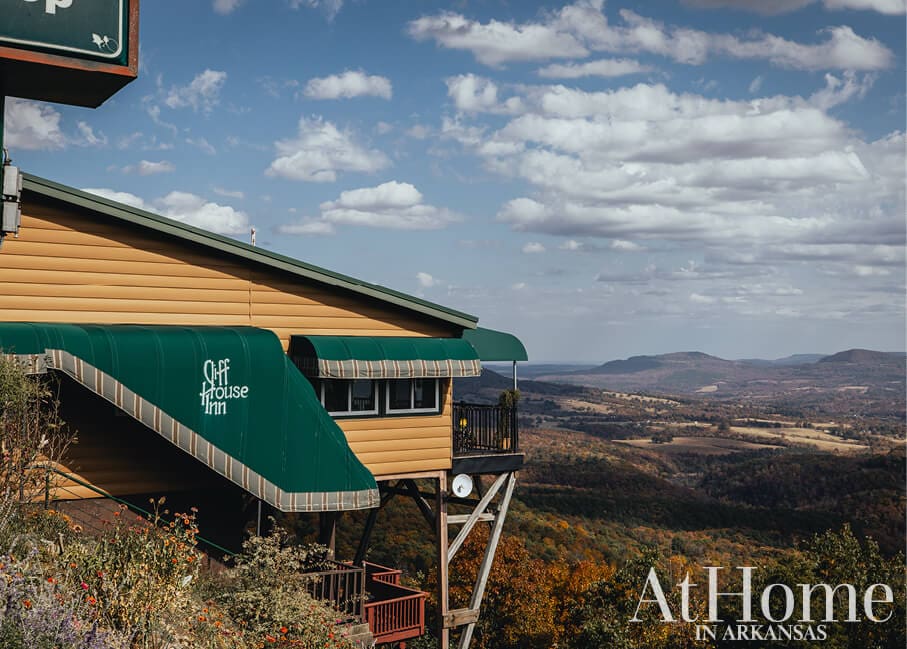
Cliff House Inn, overlooking Arkansas Grand Canyon in Jasper
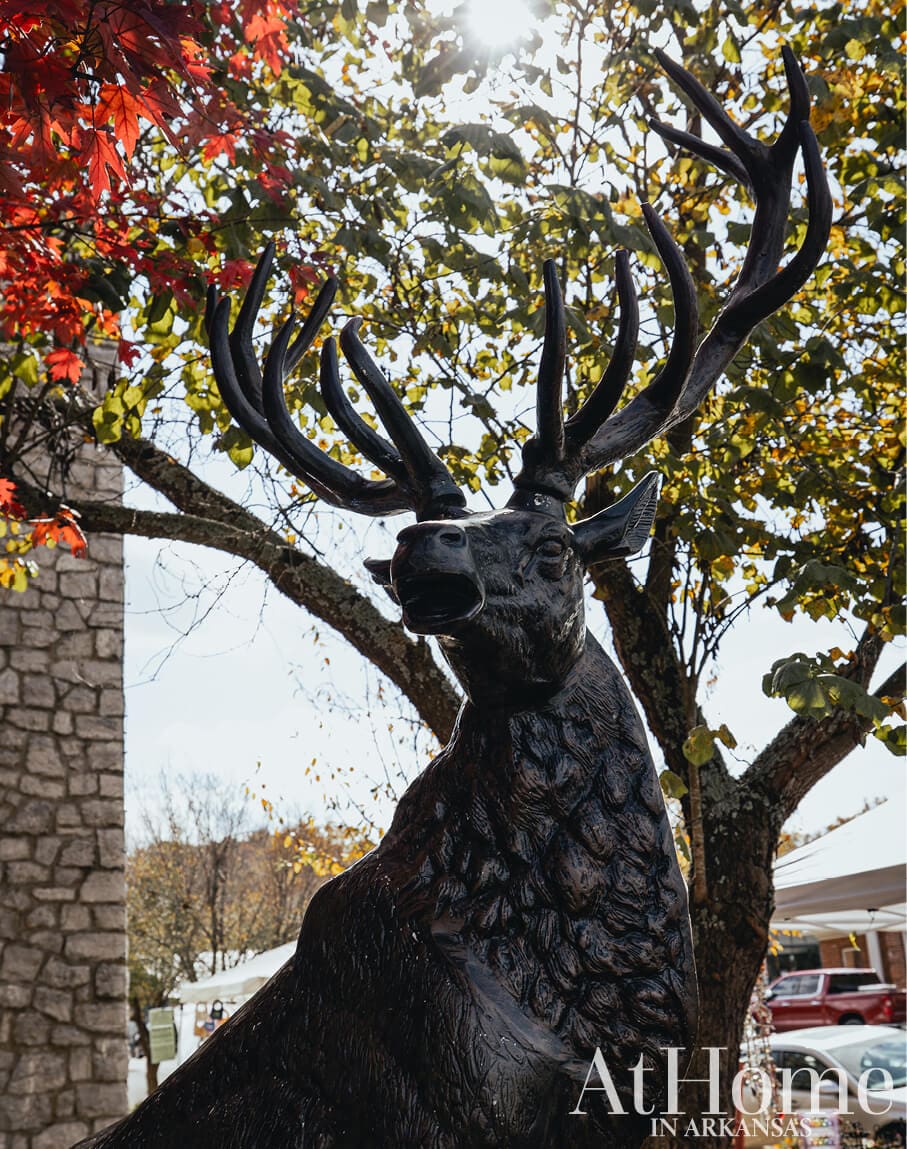
Downtown Jasper
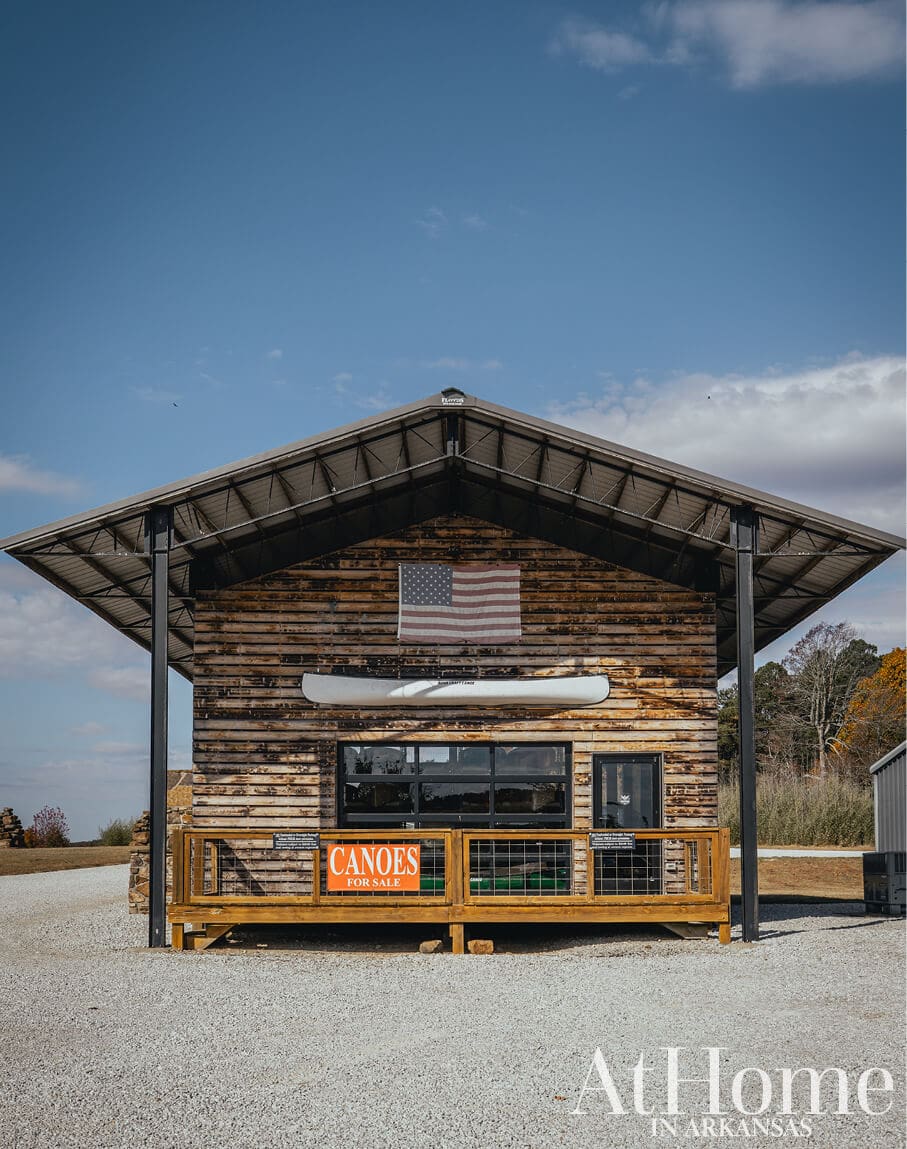
JB Trading Co.
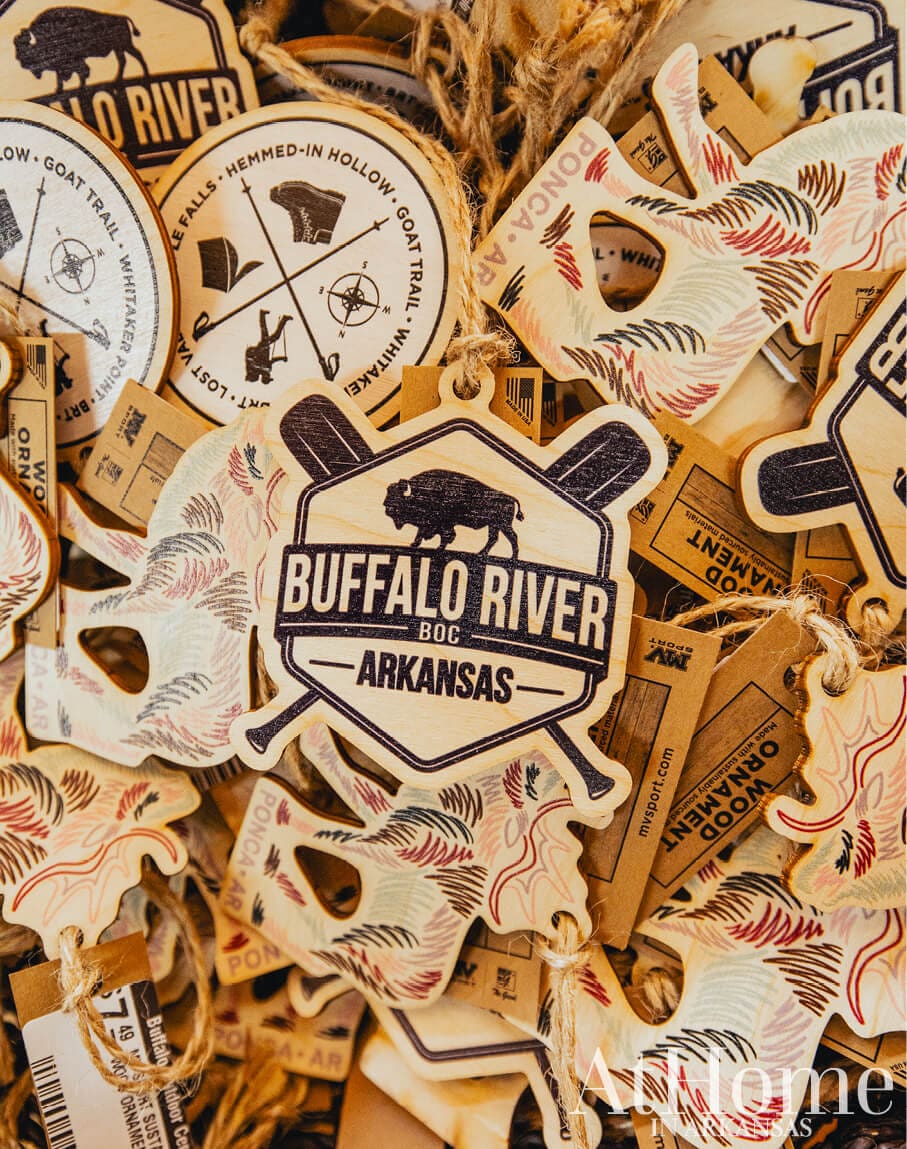
Buffalo Outdoor Center
Shop
Whether you’re looking to refresh your home décor with new lighting, bedding, rugs, and accessories or are shopping for that perfect gift, Batesville’s Home, Holidays, and More (870.569.8037) is a must-stop. They also offer bridal registry and design services for projects of all sizes. In Harrison, Luxe on Rush (luxeonrush.com) is your source for women’s apparel, bath and beauty goods, and gifts like drinkware, stationery, and games. Visit their downtown storefront while exploring Harrison’s historic square. If you have little ones—or know someone expecting—be sure to stop by Freckles Chic Boutique (freckleschic.com) in Mountain Home for baby and children’s clothing for all occasions. The shop also carries women’s styles and is located in a historic, 100-year-old building.
Dine
Planning a trip to the Buffalo National River and don’t want to have to worry about meal prep? Call on Wooden Spoon Provisions (woodenspoonprovisions.com). Based out of Jasper, this service offers “vaycatering,” a way to stock your fridge with delicious, homemade meals without the hassle. In Eureka Springs, stop by Haunted Grounds Coffee (479.244.1725) for a dose of java in “a spooky-themed” atmosphere. This coffee shop is open Thursdays through Sundays on Main Street. Located in Norfork right off the White River, Norfork Brewing Company (nfbrew.com) calls itself “Nature’s Beer.” Make a visit to try some of their brews on tap and alongside pizza and other pub fare.
Visit
Both advanced and amateur anglers will enjoy a trip to Gaston’s White River Resort (gastons.com), a fisherman’s favorite for its proximity to the best trout fishing in the country. Book a guided fishing trip, dine in the picturesque restaurant right on the water, and stay in accommodations at one of the resort’s cottages or lodges for the full experience. Buffalo River Outfitters (buffaloriveroutfitters.com) is your resource for all things on the Buffalo National River, from canoe and kayak rentals to a shuttle service, cabins, and information about weather and water levels. Be sure to check their website for additional activities in the area, including hiking, cycling, and stargazing.
Stay
Best Western Inn of the Ozarks (innoftheozarks.com) in Eureka Springs is a great home base for families large and small making a trip to the region. Enjoy the hotel’s pickleball court, pool, and on-site mini golf before hitting the road to explore the surrounding sights. In Newton County, Cliff House Inn (cliffhouseinnar.com) on Highway 7 is well-loved for its incredible vista of the Arkansas Grand Canyon. Book one of their five suites to catch unbeatable sunrises over the valley below.
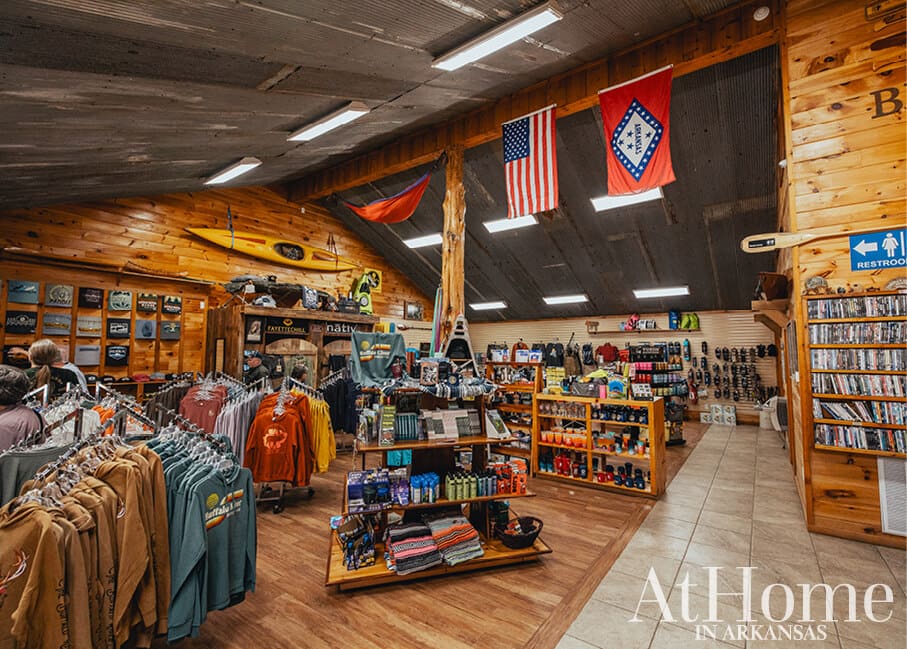
Buffalo Outdoor Center
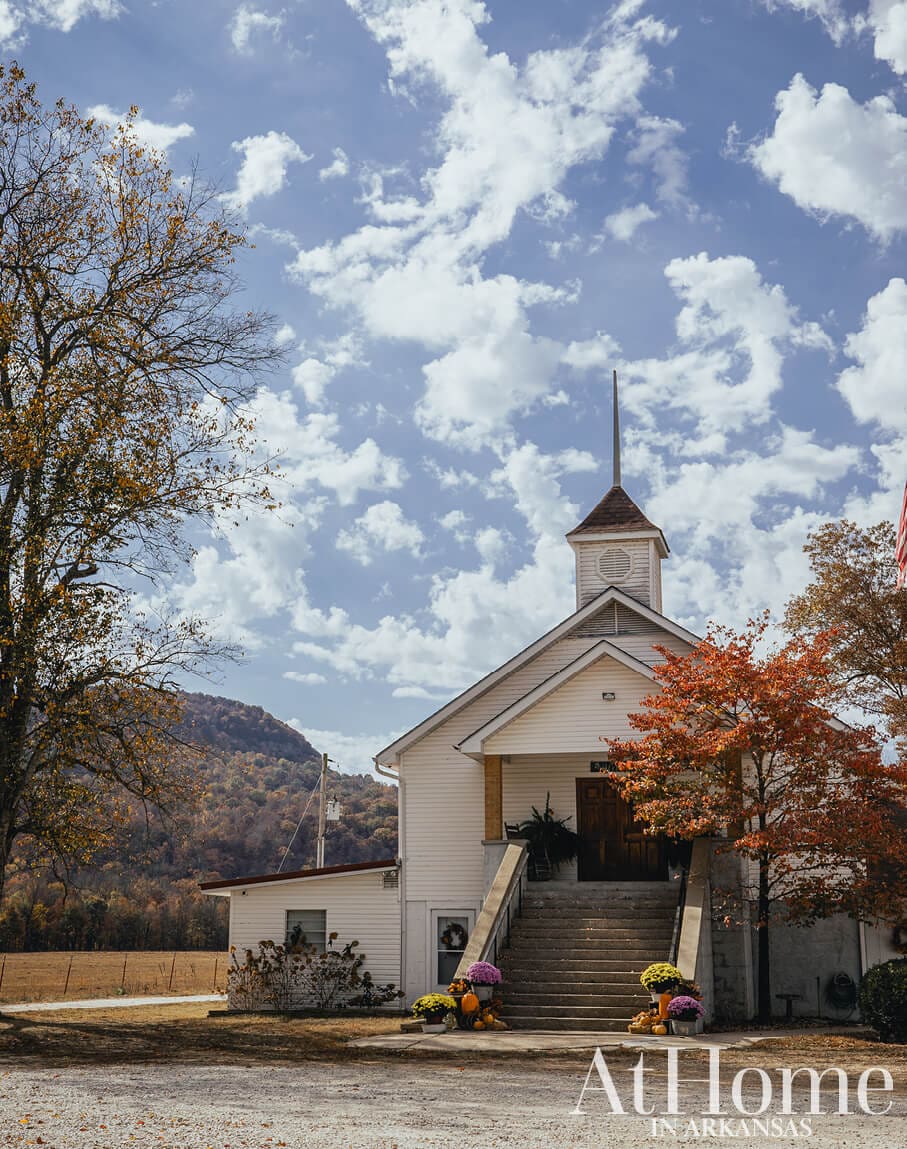
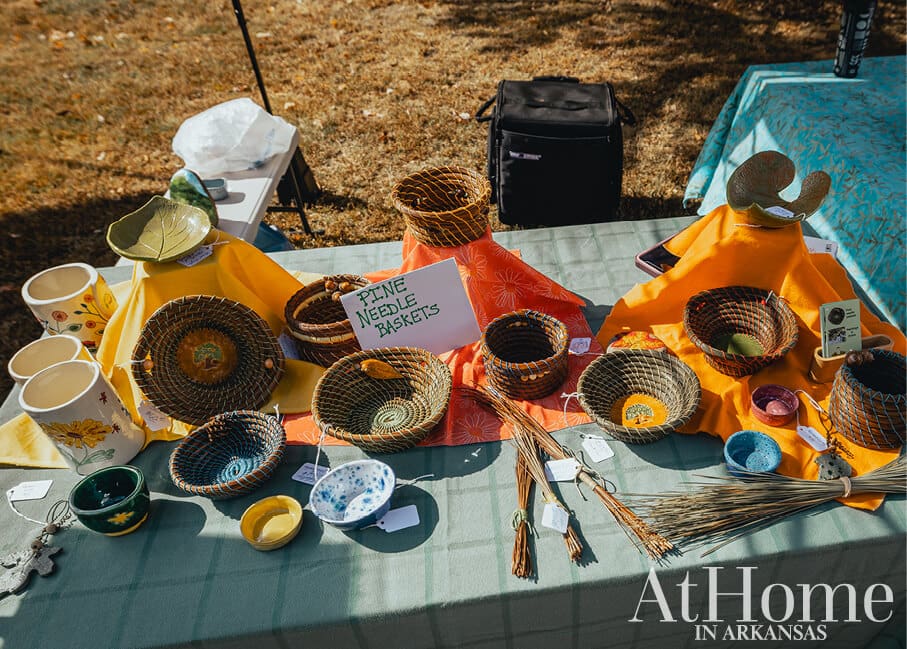
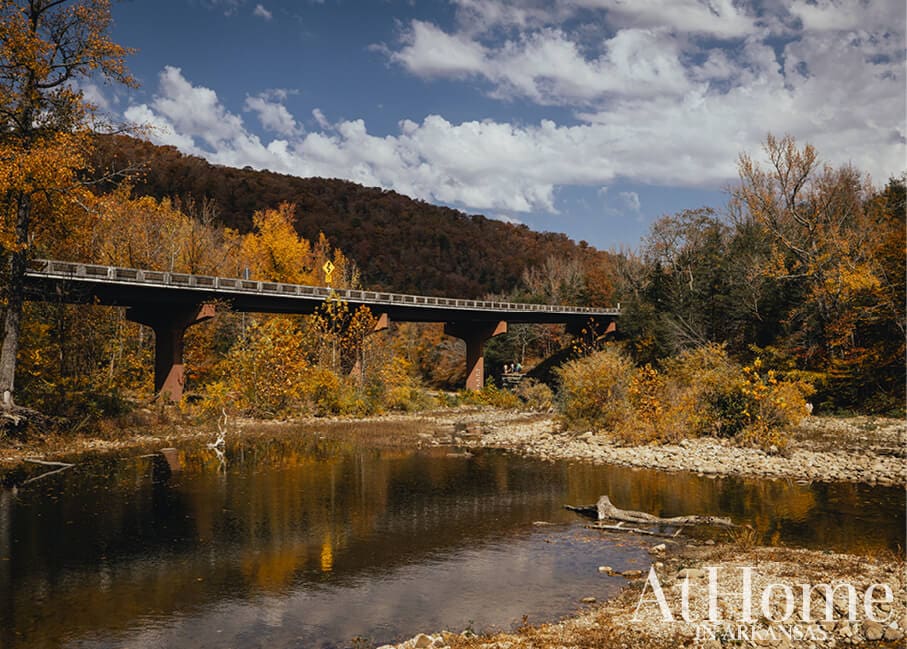
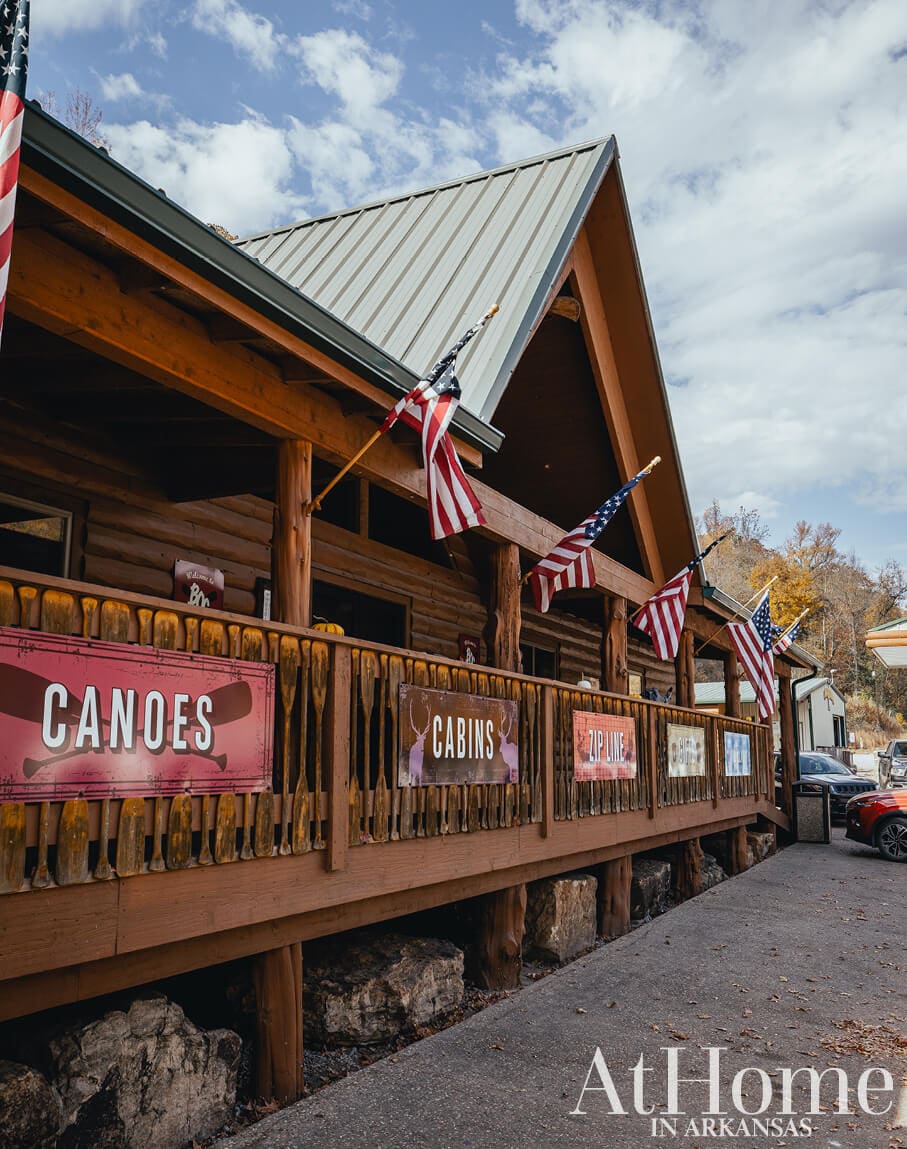
Buffalo Outdoor Center
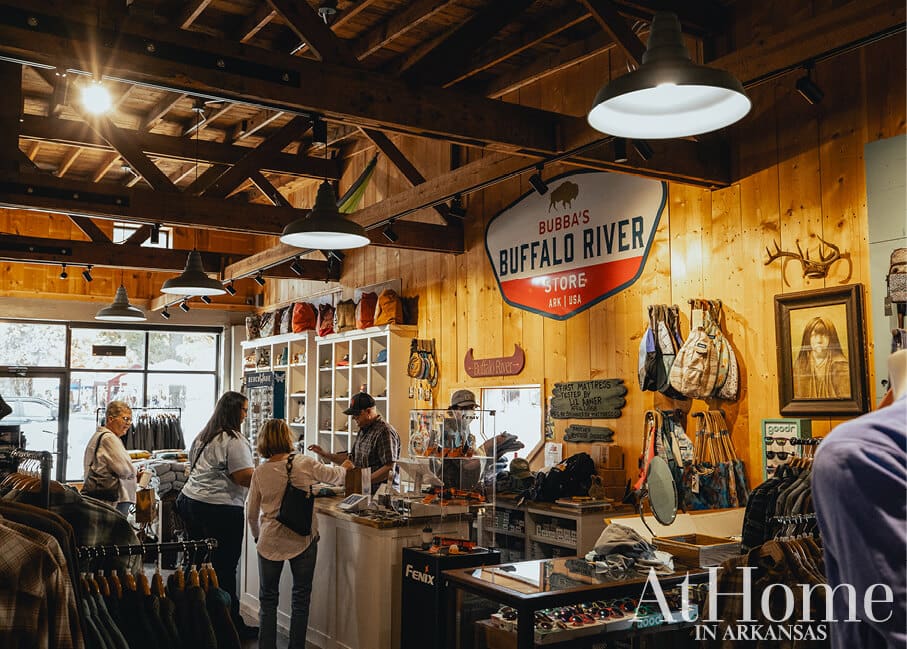
Bubba’s Buffalo River Store, downtown Jasper
