Every spring, the Quapaw Quarter Association presents its Tour of Homes around this historic district of Little Rock. Ranging from expansive Victorian mansions to Craftsman-style bungalows—and everything in between—these homes tell the story of Arkansas’s capital city through both architectural details and stories of the people who lived there. For the 59th tour, QQA focuses on houses in the West Governor’s Mansion and Dunbar neighborhoods.
General admission tickets are $30 in advance ($40 at the door) and grant access to five properties between 1-5 p.m. May 11-12. At each home, volunteers will help provide information about the house—more of which can be found in the complimentary booklet that guests will receive when they check in for the tour at 2201 S. Arch St.
In addition to the five properties open during afternoon tours, three more will be open for the Candlelight Dinner, a special event on May 11 only. Tickets to this event ($165) include tours of the evening homes from 5-7 p.m. (including a champagne station at each) followed by cocktail hour and dinner at Mosaic Templars Cultural Center.
Purchase general admission tickets here, and see information about various special events, including the Candlelight Dinner, here. Read on for details about some of the exquisite homes you’ll see on this year’s Tour of Homes.
Afternoon homes, available for viewing during general admission:
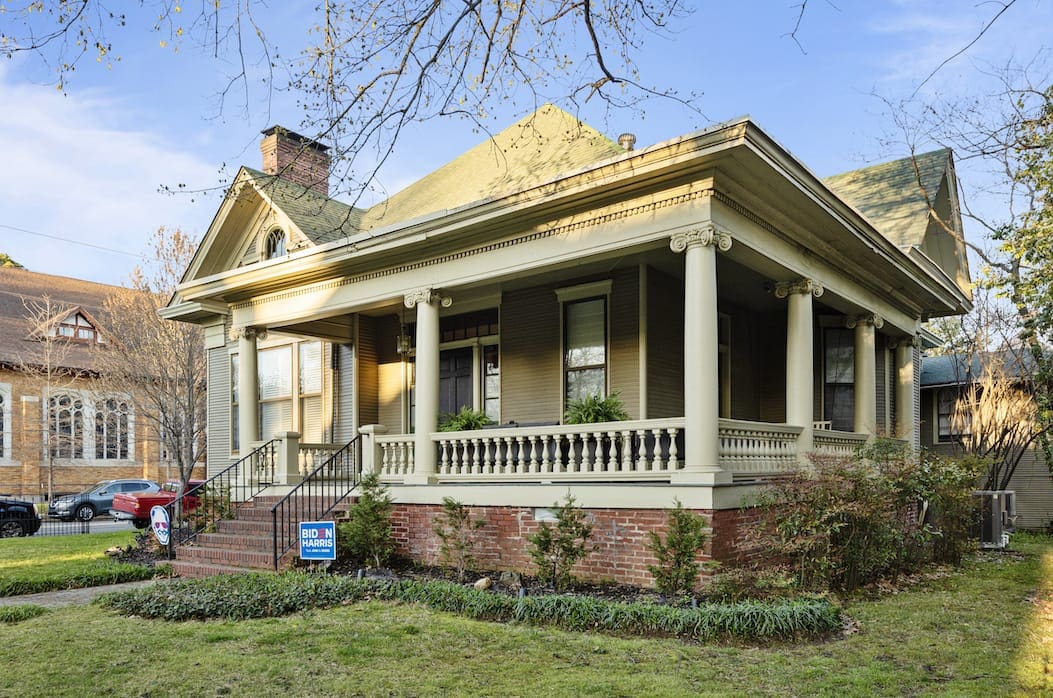
Francis G. Fulk House
2001 S. Arch Street
Built in 1905, this home was designed by notable Little Rock architect Charles L. Thompson for lawyer Francis Guy Fulk. As with many of Thompson’s designs, the house shows a blend of Colonial Revival and Classical Revival elements. After the house fell into disrepair in the 1920s, it was rescued from deterioration in the mid-1930s by the Davis family, who restored sections of the home and added additional living space at the rear. Subsequent homeowners continued to restore and renovate, creating the beautiful home that exists today.
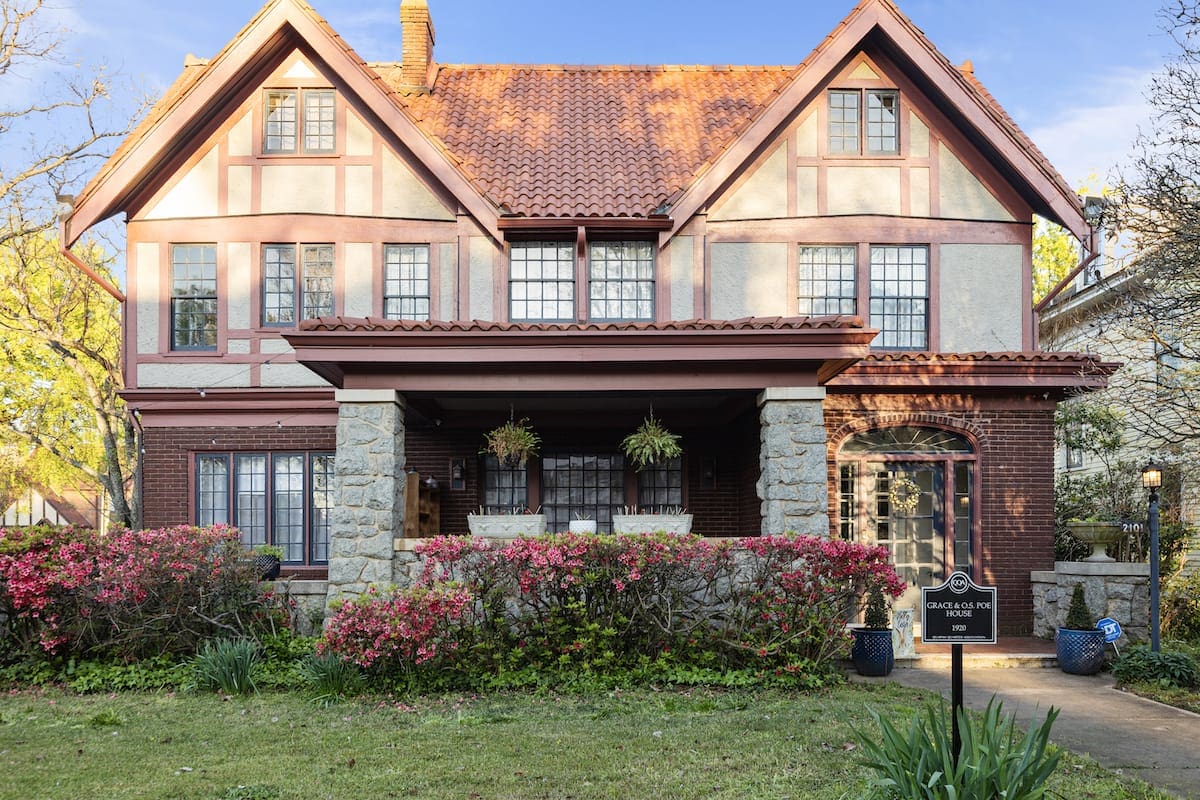
Grace and Oscar Poe House
2101 S. Arch Street
This house was built in 1919 for local businessman Oscar Poe and his family. The home was designed in the Tudor Revival style with Craftsman-inspired accents. For example, the brick veneer on the first floor with half-timbering, multi-paned windows, and steep roof are all characteristic of the Tudor Revival style, while the shallow roof and tapered stone columns of the front porch are hallmarks of a Craftsman home. While the house was significantly damaged in the 1999 tornado, current owners have worked to renovate and restore the home over recent years.
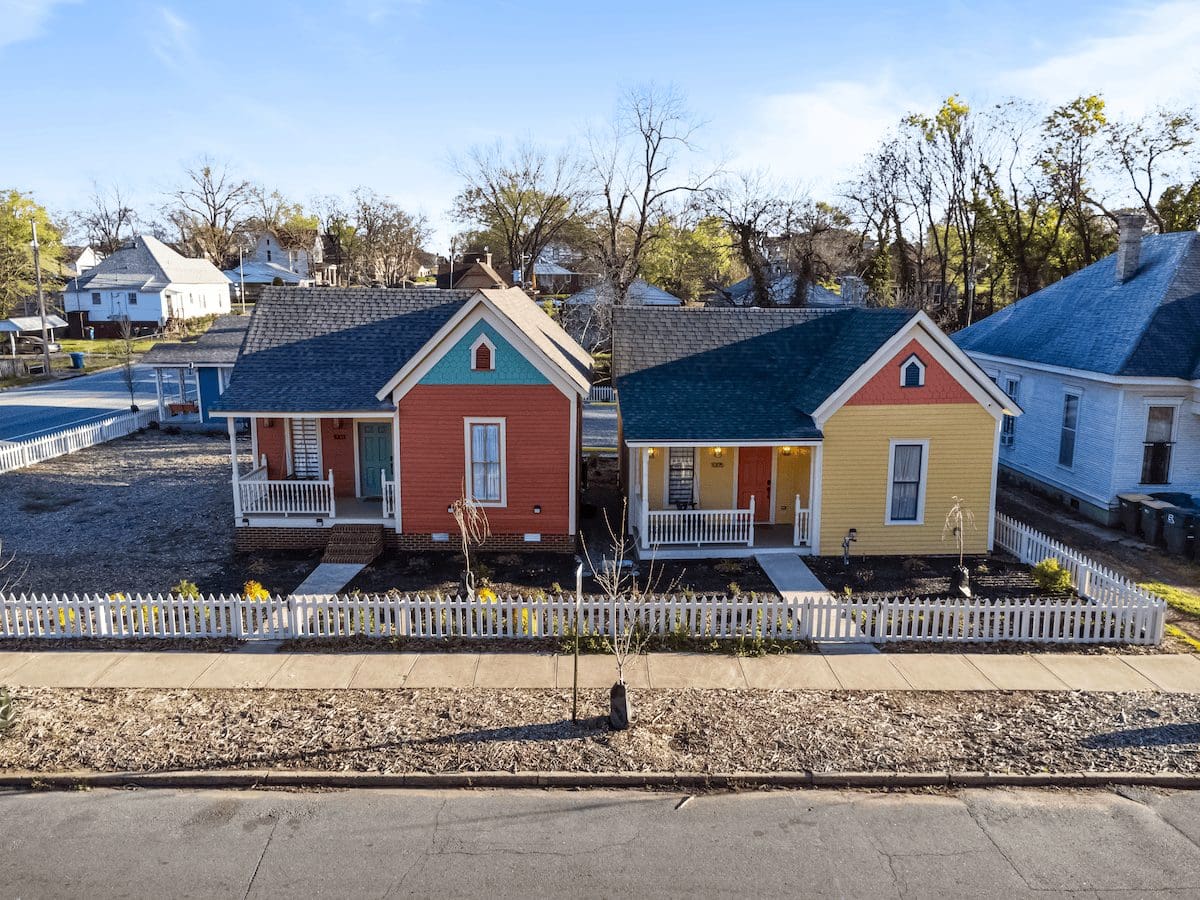
Chester Nests
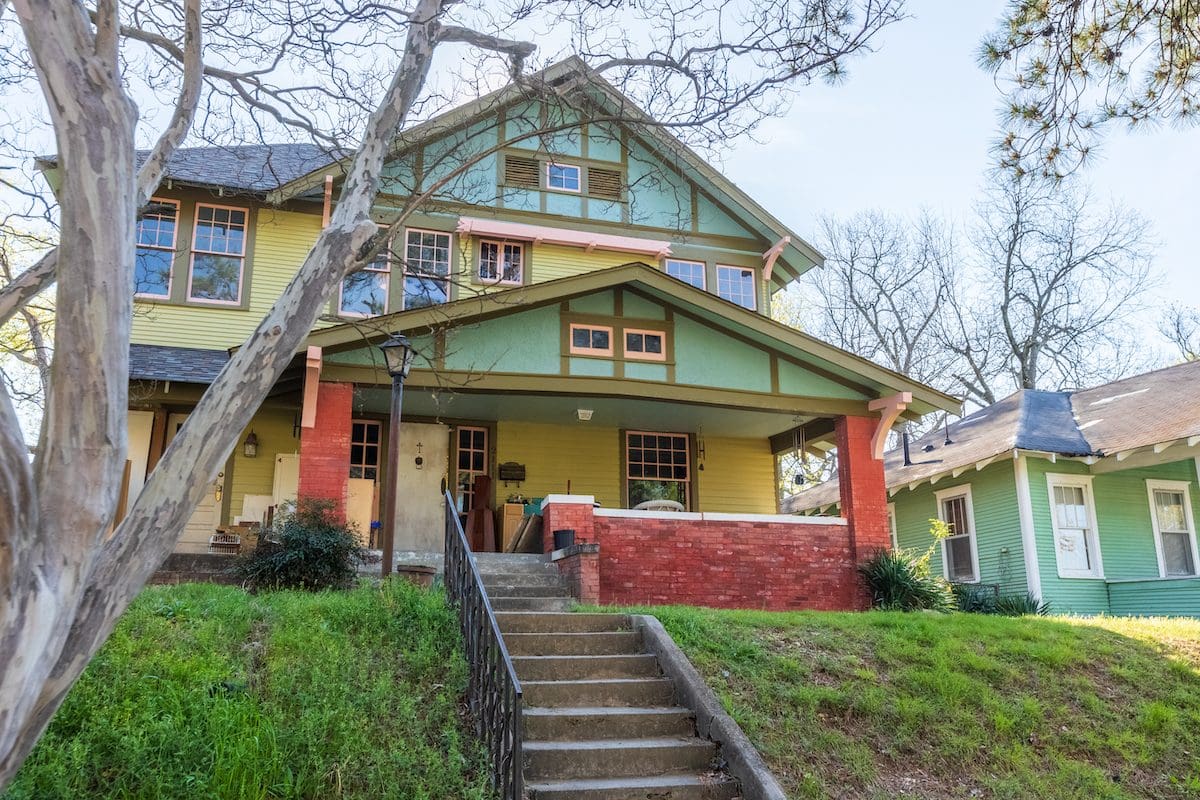
“Chester Nests” refers to four historic homes that make up the property at the southwest corner of West Charles Bussey Avenue and South Chester Street. The collection includes a shotgun house and a duplex facing Chester Street and two simple folk Victorian cottages facing Charles Bussey (pictured). Three of the homes were constructed around 1900, while the duplex is estimated to have been built around 1940. Today, these homes have been painted bright colors and converted into a collection of short-term rental properties.
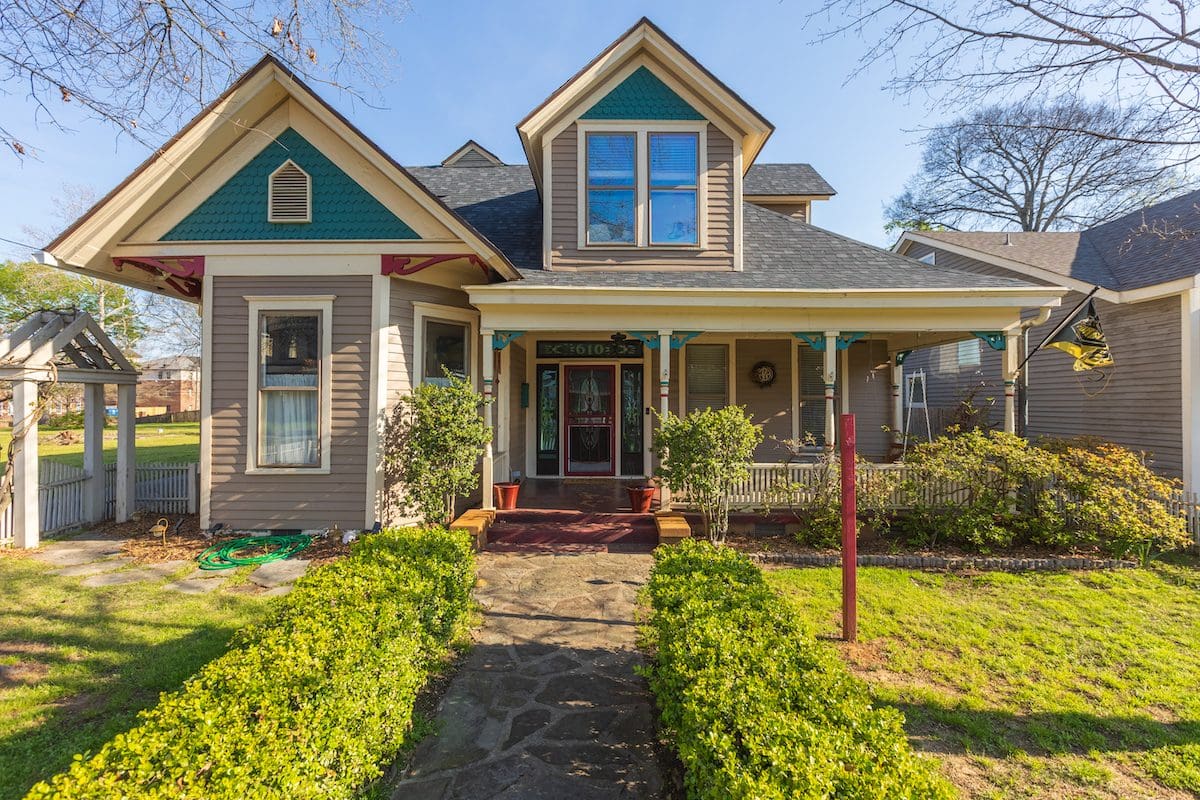
Smith Cottage
610 West Daisy L Gatson Bates Drive
Also known as the Akers-Smith Cottage, this early example of the Queen Anne style was built in the mid-1880s. Early residents of the home included the sexton of Mount Holly Cemetery. In 1890, Charles and Elsie Smith purchased the property; by 1918, Smith sold the property to the Joseph Brown family. At some point in the early 1900s, the original large attic space was converted into living space, and for several years the upstairs was rented out as a small three-room apartment.
Ray House
2111 Cross Street
Completed around 1916, this residence was home to Mary Lee McCrary Ray, a pioneer in education for African Americans, and her husband, Harvey Cincinnatus Ray. After Mary died in 1934, Harvey was remarried to Julia Ada Miller; their daughter, Gloria Ray, was one of the Little Rock Nine who would desegregate Little Rock Central High School in 1957. The family remained in residence through the 1970s. Current owners have undertaken a major restoration and renovation project to bring this home back to life.
Evening homes, available for viewing with a ticket to the Candlelight Dinner only:
Gibb–Altheimer House
1801 S. Arch Street
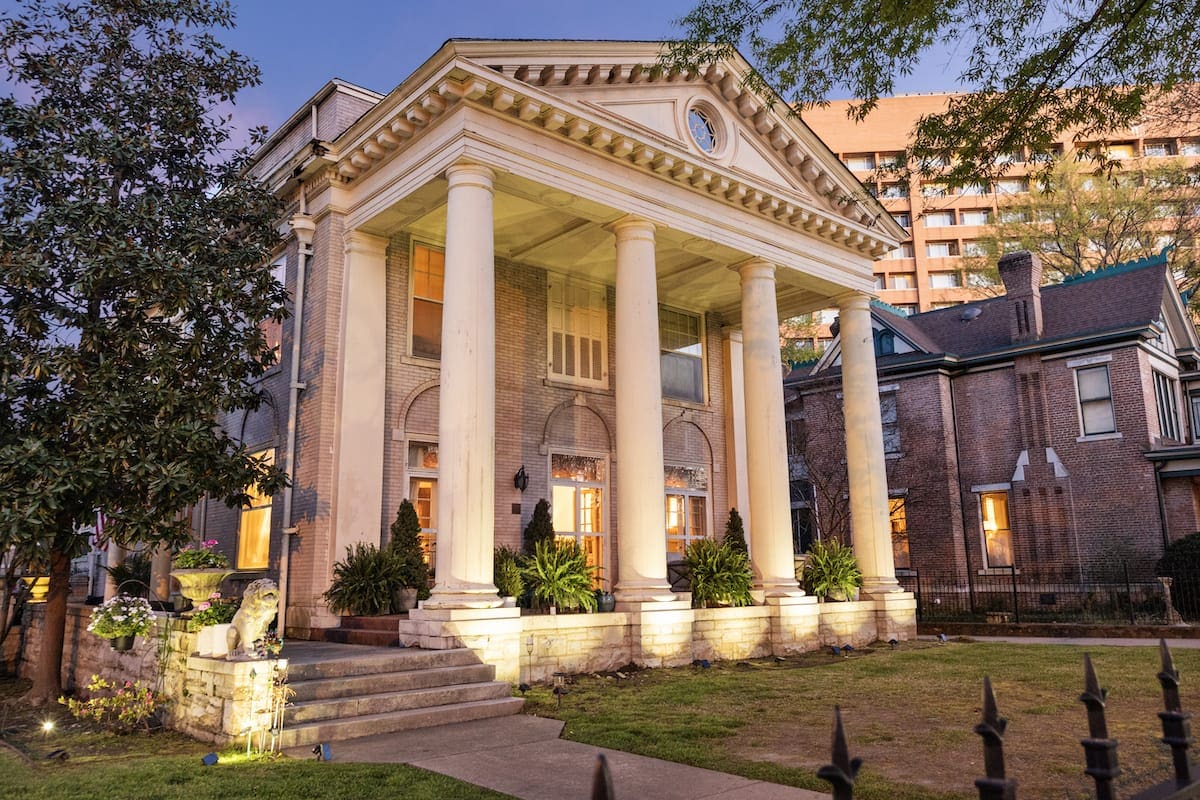
Completed in 1906, this home was designed by architect Frank Gibb as his personal residence. The house is dominated by the large Classical Revival-style portico that faces Arch Street, while the actual main entrance to the house is at the side of the house facing 18th Street. The home was sold in 1911 to the Altheimer family; since then, it has been cared for through several owners and is still an open and inviting place for guests to gather.

Safferstone House
2205 S. Arch Street
This Mission Revival-style house was designed in 1920 by local architects Sanders and Ginocchio for Israel L. Safferstone and his wife, Eva. Construction was completed in 1922, and Safferstone and his family continued to live in the home until 1963. The house features a covered porch with dramatic arched entryways, a stucco exterior, and a striking clay tile roof. Inside, the home features original woodwork, classic Craftsman-style built-in cabinets, and a cozy living space in the original attic of the home.

Boyle House
2020 S. Arch Street
In 1921, Sterling Scott commissioned architects Thomas Harding and Charles Thompson to design this house. Before it was completed, Scott sold the property to John and Snow Boyle, who completed the project in 1922 with alterations to the original architects’ plans. The house is a mix of styles, with its Craftsman-style covered porch and exposed rafter tails, gable timbers characteristic of the Tudor Revival style, and elaborate stone entry portal, which is more characteristic of European Revival styles. After years of use as a boarding house, the McGowan family restored the home to its original grandeur in the 1980s.
Find out more about the 2024 Tour of Homes and purchase tickets at quapaw.com.

